
Meta agrees to sell Giphy, ending battle with UK regulators
Facebook parent Meta said Tuesday that it will sell off Giphy after running out of options to thwart a ruling by UK regulators
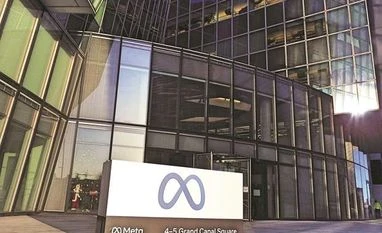 "Meta agrees to sell Giphy, ending battle with UK regulators")
WebinarsNew
Deep DiveNew
Explore Business Standard
Facebook parent Meta said Tuesday that it will sell off Giphy after running out of options to thwart a ruling by UK regulators
Facebook parent Meta said Tuesday that it will sell off Giphy after running out of options to thwart a ruling by UK regulators, who again found that the deal to buy the GIF-sharing platform would limit competition and innovation.
Britain's competition watchdog had ordered Meta last year to reverse the deal a year after it was announced but the company appealed to a tribunal, which rejected most of its arguments.
After reviewing the case further, the Competition and Markets Authority concluded that the only way to avoid the significant impact the deal would have on competition is for Meta to sell Giphy to an approved buyer.
We are disappointed by the CMA's decision but accept today's ruling as the final word on the matter. We will work closely with the CMA on divesting GIPHY," Meta said in a statement. "We will continue to evaluate opportunities including through acquisition to bring innovation and choice to more people in the UK and around the world.
New York-based Giphy's library of short looping videos, or GIFs, are a popular tool for internet users sending messages or posting on social media.
Meta said it would wait for more details on the divestment order and wouldn't file another appeal, bringing to an end the drawn-out battle over the acquisition reportedly worth $400 million.
It was the first time the U.K. watchdog had sought to unwind a tech deal and marked a prelude to stepped-up scrutiny: earlier this year the CMA opened inquiries into Amazon's dominance and Microsoft's purchase of videogame maker Activision Blizzard.
The watchdog's original in-depth investigation found that Facebook's purchase of Giphy would hurt social media users and advertisers by stifling competition for animated images.
After reviewing its decision, the watchdog concluded Tuesday that the deal would boost traffic to Meta-owned sites, while denying or limiting access for online platforms to Giphy GIFs. It also found that the deal would remove potential competition from the U.K.'s 7 billion pound (USD 7.9 billion) display advertising market, half of which Facebook controls.
(Only the headline and picture of this report may have been reworked by the Business Standard staff; the rest of the content is auto-generated from a syndicated feed.)
First Published: Oct 18 2022 | 7:52 PM IST


 Connect with us on WhatsApp