
Pakistan faces staggering 52% water shortage, essential services disrupted
Pakistan faces a staggering 52% water shortage with the acute water crisis causing disruptions in even essential services like healthcare, local media reported on Tuesday
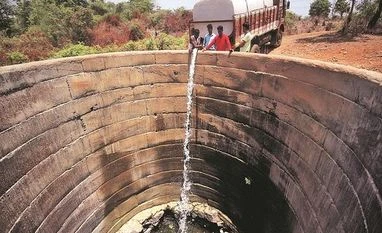 "Pakistan faces staggering 52% water shortage, essential services disrupted")
WebinarsNew
Deep DiveNew
Explore Business Standard
Pakistan faces a staggering 52% water shortage with the acute water crisis causing disruptions in even essential services like healthcare, local media reported on Tuesday
Pakistan faces a staggering 52 per cent water shortage with the acute water crisis causing disruptions in even essential services like healthcare, local media reported on Tuesday.
Pakistan's Indus River System Authority (IRSA) has informed that the largest Punjab province gets a mere 29,000 cusecs of water against a demand of 60,000 cusecs and that the Sindh province gets merely 22,000 cusecs of water against a demand of 45,400 cusecs, various Pakistani vernaculars reported, adding that, the water shortage is bringing the country's wheat production at risk.
Recently, all operations at Karachi's largest Jinnah Postgraduate Medical Centre (JPMC) had to be halted after the water supply was cut off on Saturday evening. Dozens of surgeries were postponed and dialysis of a large number of patients could not be carried out at the JPMC on Monday because of the shortage, The News International reported.
According to local media, Patients and their caretakers are still facing severe difficulties due to the lack of water in the wards and washrooms.
Earlier in February, Dozens of people staged a demonstration in Tharparkar district in Pakistan's Sindh province against the worsening water crisis in the Mithi town.
The protest, which was led by Qaumi Awami Tehreek (QAT) party, also included the general public, the Dawn newspaper reported.
According to QAT leaders, functionaries of the public health department are squarely responsible for the nagging water crisis in the entire district.
The water crisis has set off a series of protests and may hurt Pakistan's ailing economy as well as going to increase feuds among provinces and turn into a flashpoint for a major internal disturbance, according to Toronto based think tank International Forum for Right and Security (IFFRAS).
Farmers in Sindh and Balochistan provinces have started blocking major highways to demand the release of their share of water from the Indus River.
The richest and politically-dominated Punjab province is often accused of allocating the highest and unfair amount of river water to it while leaving other provinces dry, the think tank said.
(Only the headline and picture of this report may have been reworked by the Business Standard staff; the rest of the content is auto-generated from a syndicated feed.)
First Published: Mar 16 2022 | 6:39 AM IST


 Connect with us on WhatsApp