
Rare blood clotting risk more for Covid-19 than for vaccines: Oxford study
The rare blood clotting is known as cerebral venous thrombosis (CVT)
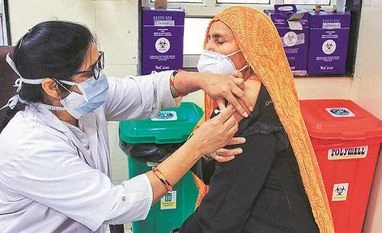 "Rare blood clotting risk more for Covid-19 than for vaccines: Oxford study")
WebinarsNew
Deep DiveNew
Explore Business Standard
The rare blood clotting is known as cerebral venous thrombosis (CVT)
The risk of rare blood clotting known as cerebral venous thrombosis (CVT) following COVID-19 infection is several times higher than post-vaccination, according to a study unveiled on Thursday.
The study led by researchers at the University of Oxford in the UK counted the number of CVT cases diagnosed in the two weeks following diagnosis of COVID-19, or after the first dose of a vaccine.
They compared these to calculated incidences of CVT following influenza, and the background level in the general population.
The team found that CVT is more common after COVID-19 than in any of the comparison groups, with 30 per cent of these cases occurring in the under 30s.
Compared to the current COVID-19 vaccines, this risk is between 8-10 times higher, and compared to the baseline, approximately 100 times higher, they said.
"There are concerns about possible associations between vaccines, and CVT, causing governments and regulators to restrict the use of certain vaccines," said Paul Harrison, Head of the Translational Neurobiology Group at the University of Oxford.
"Yet, one key question remained unknown: What is the risk of CVT following a diagnosis of COVID-19?" Harrison said.
The researchers noted that COVID-19 markedly increases the risk of CVT, adding to the list of blood clotting problems this infection causes.
The COVID-19 risk is higher than seen with the current vaccines, even for those under 30, they said.
This is something that should be taken into account when considering the balances between risks and benefits for vaccination, according to the researchers.
The researchers noted that it is important that this data should be interpreted cautiously.
The signals that COVID-19 is linked to CVT, as well as portal vein thrombosis -- a clotting disorder of the liver -- is clear, and one we should take note of, they said.
An important factor that requires further research is whether COVID-19 and vaccines lead to CVT by the same or different mechanisms, according to the researchers.
There may also be under-reporting or mis-coding of CVT in medical records, and therefore uncertainty as to the precision of the results, they added.
First Published: Apr 15 2021 | 5:29 PM IST

