Rich nations to miss $100 bn climate fund goal even by 2025, says Oxfam

Data shows that the pace of boosting the funding slowed further in 2019, growing just 2% to $79.6 billion from 2018.
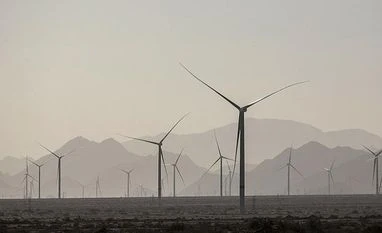
Renewable energy, wind power
Photo: Bloomberg
John Ainger | Bloomberg
2 min read Last Updated : Sep 21 2021 | 1:41 AM IST
Developed countries’ pledges to provide $100 billion of annual financing, made over a decade ago and seen as key to unlocking upcoming climate talks, are unlikely to be met even five years after the target, according to a new report. 
 
That not only threatens the success at the United Nations climate talks in Glasgow starting in weeks, but also the aim of limiting global warming to 1.5 degree Celsius as part of the Paris Agreement, Oxfam International said in a study

“Wealthy nations must live up to their promise made 12 years ago and put their money where their mouths are,” said Nafkote Dabi, global climate policy lead for Oxfam. “It is clearly a question of political will.”

Data from the OECD last week showed that the pace of boosting the funding slowed further in 2019, growing just 2% to $79.6 billion from 2018. Data wasn’t available for 2020, by when the $100 billion annual rate was to be achieved, but the economic damage wreaked by the pandemic means that target was likely missed.

Developing nations say the funding is key for them to pledge deeper emissions cuts. While U.S. climate envoy John Kerry has been criss-crossing the globe in recent weeks, including China and India, seeking to garner enough support to make COP26 that starts Oct. 31 a success, the financing crunch could turn out to be a hurdle. 

Oxfam also raised concerns about how the financing will be disbursed to developing nations. Over two-thirds will be in the form of loans, which would put the countries into further debt.

The U.S. is widely seen as having the biggest funding shortfall, in part because former U.S. President Donald Trump pulled the world’s richest polluter out of the Paris deal. Oxfam said France, Australia and Japan have failed to increase their financing for poorer nations.

--With assistance from Jessica Shankleman.

One subscription. Two world-class reads.

Already subscribed? Log in

Subscribe to read the full story →
*Subscribe to Business Standard digital and get complimentary access to The New York Times

Smart Quarterly

₹900

3 Months

₹300/Month

SAVE 25%

Smart Essential

₹2,700

1 Year

₹225/Month

SAVE 46%
*Complimentary New York Times access for the 2nd year will be given after 12 months

Super Saver

₹3,900

2 Years

₹162/Month

Subscribe

Renews automatically, cancel anytime

Here’s what’s included in our digital subscription plans

Exclusive premium stories online

  • Over 30 premium stories daily, handpicked by our editors

Complimentary Access to The New York Times

  • News, Games, Cooking, Audio, Wirecutter & The Athletic

Business Standard Epaper

  • Digital replica of our daily newspaper — with options to read, save, and share

Curated Newsletters

  • Insights on markets, finance, politics, tech, and more delivered to your inbox

Market Analysis & Investment Insights

  • In-depth market analysis & insights with access to The Smart Investor

Archives

  • Repository of articles and publications dating back to 1997

Ad-free Reading

  • Uninterrupted reading experience with no advertisements

Seamless Access Across All Devices

  • Access Business Standard across devices — mobile, tablet, or PC, via web or app

Topics :Climate ChangeUnited NationsDeveloped nations

Next Story



