Rishi Sunak can do self-restraint. After an addiction to drinking full-strength Coca-Cola resulted in seven fillings to his teeth, he rationed himself to a single Coke a week.
When he comes to deliver his budget on Wednesday, the chancellor of the exchequer faces a battle to persuade his colleagues of the need to turn down the flow of government spending, and to address the painful hole in the public finances, approaching 400 billion pounds ($558 billion).
The question he’s still grappling with is how to pay the bill. Will he raise taxes, hitting the wealthy and clawing back profits from the few businesses that made them, as some suggest? Or will he prepare the ground for cuts to public spending? Or will he instead signal that the pain of cuts and taxes will have to come, but just not yet?
Sunak’s answers will shape his own fortunes, the Conservative government’s political identity, and the UK economy’s chances of making a full recovery from its deepest recession for 300 years. “We went big, we went early, but there is more to come and there will be more to come in the budget. But there is a challenge,” with public finances and “I want to level with people about the challenge,” Sunak told the Financial Times in an interview Friday.
In common with finance ministers around the world, Sunak poured out vast sums of taxpayers’ cash to save jobs and businesses when coronavirus forced the government to shut shops and restaurants and confine people to their homes.
Now that Prime Minister Boris Johnson has laid out his “road map” for a cautious four-month lifting of the lockdown, Sunak is reconciled to keeping that flow of support going for as long as the restrictions are in place.
That will mean extending the 54 billion-pound furlough wage support program, along with cuts to business rates and sales tax at least until the end of June. This won’t be a surprise to Sunak’s colleagues and will please many, but not all, Conservative members of Parliament on Wednesday.
But it runs against the grain of his instincts as a small-state Conservative, and many of his colleagues are also deeply uneasy about the economic policy their Tory government finds itself pursuing. The prospect of hiking taxes – including potentially a sharp rise in business levies – to pay the bill is particularly hard for most Tories to swallow.
In recent weeks, the chancellor has been working assiduously to canvass his colleagues’ views in an effort to understand what he’s up against and tailor his messages to match. Some MPs report being invited to four or five Zoom calls with Sunak in the run-up to his budget.

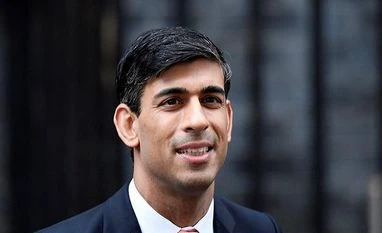 "Rishi Sunak plots tax raid to plug UK deficit, risking Tory rage")











