EU negotiators have hiked possible payment demands for Brexit over recent weeks, officials say, widening the divide between Brussels and London, which questions whether it owes anything at all before talks start next month.
Hours before chief negotiator Michel Barnier was due to give more details on the EU's standpoint, a Financial Times headline saying the EU might seek an upfront payment in 2019 of up to euro 100 billion ($110 billion), drew an immediate rejection from Britain's Brexit Secretary David Davis that he would pay that sum.
The European Commission has previously given a ballpark estimate of the bill of about euro 60 billion. The FT said the calculations it referred to would result in a net payment from Britain of roughly that level, after subsequent reimbursements.
One senior EU official involved in preparing for the talks after a British election on June 8 said he did not recognise the euro 100-billion figure, although a number of private calculations of the bill have gone as high or even higher.
Later that day, May struck back at European Commission President Jean-Claude Juncker, accusing his team of leaking details of their Brexit discussions to sabotage Britain’s election.
Standing outside her 10 Downing Street office — after returning from visiting Queen Elizabeth II to mark the formal start of the campaign — May unleashed her fury at seeing a long and unflattering description of her April 26 dinner with Juncker in a German newspaper.
Last month, the Bruegel think-tank in Brussels put the up-front payment for Britain as high as euro 109 billion under one of many scenarios for the calculation. Later reimbursement would bring the net figure to 65 billion, Bruegel's study showed. Over the past month, the 27 other member states have drafted negotiating guidelines for the executive Commission that leaders agreed on Saturday. In the course of drafting, governments insisted on clarifying that Britain be made to pay up front for, among other things, contingent liabilities for guarantees on loans made by, for example, the European Investment Bank.
Read this article for free
Register to continue reading premium journalism and analysis from Business Standard.

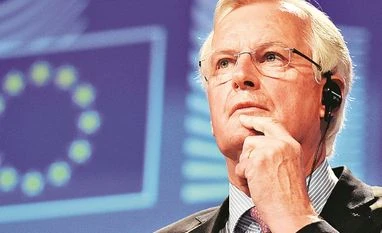 "Rising Brexit bill raises negotiating stakes")












 Connect with us on WhatsApp