Scholz seals initial coalition deal to be next German chancellor

The agreement includes a plan to exit coal in 2030, eight years earlier than planned, as well as an action plan for climate protection
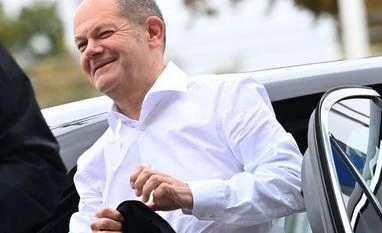
Olaf Scholz
Photo: Bloomberg
Patrick Donahue and Birgit Jennen | Bloomberg
2 min read Last Updated : Oct 15 2021 | 6:06 PM IST
Olaf Scholz reached a milestone in his bid to succeed Angela Merkel as German chancellor by getting his potential partners close enough to enter formal negotiations for a coalition government.
 
After less than four hours of talks on Friday, his Social Democratic party, the Greens and the pro-business Free Democrats agreed on the basic principles for a ruling alliance. The accord came remarkably quickly by German standards, with joint talks starting just a week ago. 

The agreement includes a plan to exit coal in 2030, eight years earlier than planned, as well as an action plan for climate protection. The SPD and the Greens also accepted the FDP’s demands to leave constitutional debt limits intact and not impose new taxes. Details will be hammered out in formal talks in the coming weeks.

The three-way combination, while messy, is Germany’s most viable governing alliance, and the parties have been under pressure to bridge significant differences on issues from spending and taxes to climate protection and social policy.

While disputes are still possible, proceeding to coalition negotiations is a critical step in Germany’s complex process of transferring power. It shows the parties see enough common ground and makes it more likely that a Scholz-led government can start running Europe’s largest economy before the end of the year. 

After the Social Democrats narrowly defeated Merkel’s conservatives in the Sept. 26 election, he’s moved quickly to find common ground with the Greens and the FDP, an unprecedented alliance at the federal level in Germany. 

The challenge has been to reconcile differences. The FDP campaigned for fiscal prudence, while the SPD and Green sought to open Germany’s coffers for investment to upgrade infrastructure, protect the environment, and expand digital technologies. 

Formal coalition negotiations are a more comprehensive format that involves policy teams, all-night negotiating sessions and political posturing. There are significant hurdles that have yet to be overcome, with financing a particularly thorny issue. 

Once a preliminary agreement to form a government is reached, party organizations must sign off. The Greens have said they would put the decision to a party conference. If approval is given, the parties will enter comprehensive talks that entail smaller groups working out policy compromises, which are compiled in a lengthy coalition agreement. 

One subscription. Two world-class reads.

Already subscribed? Log in

Subscribe to read the full story →
*Subscribe to Business Standard digital and get complimentary access to The New York Times

Smart Quarterly

₹900

3 Months

₹300/Month

SAVE 25%

Smart Essential

₹2,700

1 Year

₹225/Month

SAVE 46%
*Complimentary New York Times access for the 2nd year will be given after 12 months

Super Saver

₹3,900

2 Years

₹162/Month

Subscribe

Renews automatically, cancel anytime

Here’s what’s included in our digital subscription plans

Exclusive premium stories online

  • Over 30 premium stories daily, handpicked by our editors

Complimentary Access to The New York Times

  • News, Games, Cooking, Audio, Wirecutter & The Athletic

Business Standard Epaper

  • Digital replica of our daily newspaper — with options to read, save, and share

Curated Newsletters

  • Insights on markets, finance, politics, tech, and more delivered to your inbox

Market Analysis & Investment Insights

  • In-depth market analysis & insights with access to The Smart Investor

Archives

  • Repository of articles and publications dating back to 1997

Ad-free Reading

  • Uninterrupted reading experience with no advertisements

Seamless Access Across All Devices

  • Access Business Standard across devices — mobile, tablet, or PC, via web or app

Topics :Climate ChangeGermanyEurope

Next Story



