
Signs of Libya's partition grow, election needed, warns UN special envoy
Oil-rich Libya plunged into chaos after a NATO-backed uprising toppled and killed longtime dictator Moammar Gadhafi in 2011
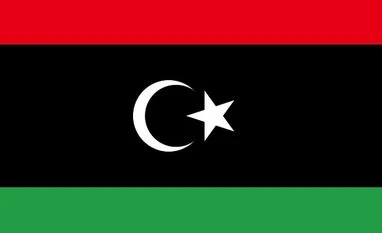 "Signs of Libya's partition grow, election needed, warns UN special envoy")
WebinarsNew
Deep DiveNew
Explore Business Standard
Oil-rich Libya plunged into chaos after a NATO-backed uprising toppled and killed longtime dictator Moammar Gadhafi in 2011
The U.N. special envoy for Libya warned Friday that signs of partition are already evident in the troubled North African nation and urged influential nations to pressure Libya's rival leaders to urgently finalize the constitutional basis for elections.
The first anniversary of the vote's postponement is coming up later in December, said Abdoulaye Bathily, who stressed that if there is no resolution, an alternative way should be found to hold elections.
Oil-rich Libya plunged into chaos after a NATO-backed uprising toppled and killed longtime dictator Moammar Gadhafi in 2011. In the chaos that followed, the county split into two rival administrations, each backed by different rogue militias and foreign governments.
Bathily told the U.N. Security Council that the continuing disagreement between the two rivals specifically, the speaker of Libya's east-based parliament, Aguila Saleh, and Khaled al-Mashri, the president of the High Council of State based in the country's west, in the capital of Tripoli on a limited number of provisions in the constitution can no longer serve as a justification to hold an entire country hostage.
If the two institutions can't reach agreement swiftly, Bathily said, an alternative mechanism , can and should be used to alleviate the sufferings caused by outdated and open-ended interim political arrangements. He did not elaborate on what that mechanism could be.
Bathily also said the Security Council needs to think creatively about ways to ensure that free, fair, transparent and simultaneous presidential and parliamentary elections are organized and held under a single, unified and neutral administration, and that those who wish to run as candidates resign from their current functions to create a level playing field.
Libya's latest political crisis stems from the failure to hold elections on December 24, 2021, and the refusal of Prime Minister Abdul Hamid Dbeibah who led a transitional government in Tripoli to step down. Subsequently, Libya's east-based parliament, which argues that Dbeibah's mandate ended on December 24, appointed a rival prime minister, Fathy Bashagha, who has for months unsuccessfully sought to install his government in Tripoli.
The presidential vote was postponed over disputes between rival factions on laws governing the elections and controversial presidential hopefuls. The Tripoli-based council insists on banning military personnel as well as dual citizens from running for the country's top post.
That is apparently directed at east-backed military leader Khalifa Hifter, a divisive commander and U.S. citizen who had announced his candidacy for the canceled December election.
Bathily said individuals and entities that prevent or undermine the holding of elections must be held accountable, stressing that this applies to acts committed before, during and after the election.
He warned that the unresolved political crisis in Libya impacts people's wellbeing, compromises their security, and threatens their very existence.
Signs of Libya's partition, Bathily said, are ample including two parallel governments in the east and west, separate security operations, a divided central bank, and growing discontent throughout the country over the unequal allocation of the huge revenues of oil and gas of the country.
The protracted political crisis also carries a serious risk of further dividing the country and its institutions, he added.
Bathily told the council that Saleh and al-Mashri had earlier agreed to meet under U.N. auspices in the city of Zintan on December 4 to try and find a way out of the crisis but regrettably, the meeting was postponed due to unforeseen logistical reasons as well as emerging political obstacles.
He said the U.N. is working to identify a new date and location for the meeting.
(Only the headline and picture of this report may have been reworked by the Business Standard staff; the rest of the content is auto-generated from a syndicated feed.)
First Published: Dec 17 2022 | 10:54 AM IST

