Americans have become, by some measures, richer during the pandemic than ever before.
It’s a difficult thing to fathom, what with the economic collapse and the surge in the ranks of the jobless, the homeless and the hungry. But there’s a whole class of people — at least the top 20 per cent or so of earners — who’ve had to worry little about such matters.
For them, not only has it been relatively easy to carry out their white-collar jobs from home. But the Federal Reserve’s unprecedented emergency measures —including slashing benchmark rates to zero — have padded their wallets too.
Their massive wealth accumulation is, in large part, obscuring the toll felt by all those who don’t enjoy the same easy access to credit or financial markets. As household net worth surged to a fresh record, hundreds of thousands of businesses are estimated to have permanently shut, over 10 million Americans remain jobless, and nearly three times as many are going hungry at night. Even as a new Democratic administration plans to seek trillions of dollars of additional spending to supplement last month’s relief package, economists warn of dire social and political consequences from the dramatic widening in the gap between America’s haves and have-nots. With income inequality already near the highest in at least half a century, the country’s response to the financial devastation wrought by the virus raises questions about who emergency measures were designed to help, and who was left behind, they say. Employment for the top quartile of workers — those earning over $60,000 a year — has already recovered above levels from a year ago, according to data from Opportunity Insights, a nonpartisan research institute based at Harvard University.
“If your wealth is captured by financial assets, you were back up and running in no time,” said Amanda Fischer, policy director at the Washington Center for Equitable Growth. “It’s the lowest income folks who don’t even have to file taxes that have the highest barrier to climb.”
Mortgage rates, driven largely by the same forces that sent stocks soaring to dizzying heights, plunged to the lowest on record. Homeowners, especially those with pristine credit scores, have been taking advantage. Refinancings have accelerated to the fastest in nearly two decades, according to data from Fannie Mae, allowing millions of borrowers to cut their monthly payments.
Falling behind
For those at the other end of the spectrum, things are very different.
Employment for the bottom quartile of American earners — those making less than $27,000 a year — remains more than 20 per cent below January 2020 levels. Last month, nearly 30 million adults lived in households where there wasn’t enough to eat, according to the US Census Bureau’s Household Pulse Survey, up 28 per cent since before the pandemic. In Louisiana, the worst affected state, one out of every five people now faces food scarcity, the survey shows, with the numbers being even more dire among Black Americans.

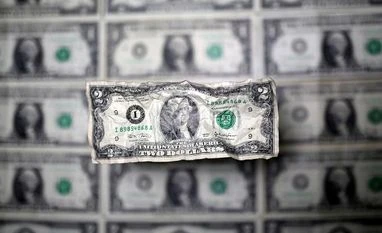 "The rich are minting money in Covid-19 pandemic like never before")












