
Third Covid vaccine dose advised for immunocompromised people: BMJ study
The research, published in The BMJ, reinforces the importance of additional doses of the COVID-19 vaccine to protect people with a weakened immune system
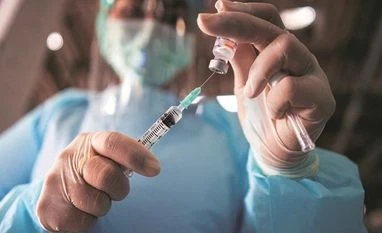 "Third Covid vaccine dose advised for immunocompromised people: BMJ study")
WebinarsNew
Deep DiveNew
Explore Business Standard
The research, published in The BMJ, reinforces the importance of additional doses of the COVID-19 vaccine to protect people with a weakened immune system
A third dose of the COVID-19 vaccine is recommended for people with a weakened immune system, especially for organ transplant recipients who are least able to make antibodies to fight off the SARS-CoV-2 virus, according to a study.
The research, published in The BMJ, reinforces the importance of additional doses of the COVID-19 vaccine to protect people with a weakened immune system.
The researchers from National University of Singapore analysed the results of 82 observational studies comparing the effectiveness of COVID-19 vaccines in immunocompromised and immunocompetent people.
Of these studies, 77 used mRNA vaccines, 16 viral vector vaccines, and four inactivated whole virus vaccines.
After one COVID-19 vaccine dose, seroconversion was found to be reduced among immunocompromised groups, except people with HIV.
Seroconversion is the process of making antibodies after infection or vaccination -- priming the immune system to fight off a specific virus.
The study found that seroconversion rates were about half as likely in patients with blood cancers, immune-mediated inflammatory disorders, and solid cancers compared with immunocompetent control.
Organ transplant recipients were 16 times less likely to seroconvert, the researchers said.
After a second dose, seroconversion was significantly increased in patients with blood cancers, immune-mediated inflammatory disorders, and solid cancers, but remained severely reduced in transplant recipients, with only a third achieving seroconversion, they said.
Further review of 11 studies showed that the third dose of a COVID-19 mRNA vaccine was associated with seroconversion among vaccine non-responders with solid cancers, blood cancers, and immune-mediated inflammatory disorders.
However, the response was variable in transplant recipients and no published evidence was available on the effectiveness of a third dose in people with HIV, the researchers said.
Among the immunocompromised groups studied, antibody levels (titers) were also lower than in immunocompetent controls, they said.
The researchers point to several limitations of the study.
For instance, the included studies were observational and used different definitions of seroconversion.
The researchers cannot rule out the possibility that other unmeasured factors, such as age and underlying conditions, might have affected their results.
The findings show that seroconversion rates and antibody titres after COVID-19 vaccines are significantly lower in immunocompromised patients, especially organ transplant recipients, the researchers said.
"Targeted interventions for immunocompromised patients, including a third dose, should be performed," they added.
(Only the headline and picture of this report may have been reworked by the Business Standard staff; the rest of the content is auto-generated from a syndicated feed.)
First Published: Mar 04 2022 | 2:03 PM IST


 Connect with us on WhatsApp