Trump poll hackers targetted US defence, Russian opposition
The Pope's representative in Kiev, Russian punk band Pussy Riot too feature in the exposed hit list
AP | PTI Washington The hackers who upended the US presidential election had ambitions well beyond Hillary Clinton's campaign, targeting Russian opposition figures, US defence contractors and others of interest to the Kremlin, according to a previously unpublished digital hit list.
The list, obtained by The Associated Press, provides the most detailed forensic evidence yet of the close alignment between the hackers and the Russian government, exposing an operation that stretched back years and tried to break into the inboxes of 4,700 Gmail users across the globe - from the pope's representative in Kiev to the punk band Pussy Riot in Moscow.
"It's a wish list of who you'd want to target to further Russian interests," said Keir Giles, director of the Conflict Studies Research Center in Cambridge, England, and one of five outside experts who reviewed the AP's findings.
He said the data was "a master list of individuals whom Russia would like to spy on, embarrass, discredit or silence."
The AP findings draw on a database of 19,000 malicious links collected by cybersecurity firm SecureWorks, dozens of rogue emails, and interviews with more than 100 hacking targets.
Secureworks stumbled upon the data after a hacking group known as Fancy Bear accidentally exposed part of its phishing operation to the internet.
The list revealed a direct line between the hackers and the leaks that rocked the presidential contest in its final stages, most notably the private emails of Clinton campaign chairman John Podesta.
The issue of who hacked the Democrats is back in the national spotlight following the revelation Monday that a Donald Trump campaign official, George Papadopoulos, was briefed early last year that the Russians had "dirt" on Clinton, including "thousands of emails."
Kremlin spokesman Dmitry Peskov called the notion that Russia interfered "unfounded." But the list examined by AP provides powerful evidence that the Kremlin did just that.
"This is the Kremlin and the general staff," said Andras Racz, a specialist in Russian security policy at Pazmany Peter Catholic University in Hungary, as he examined the data.
"I have no doubts."
SecureWorks' list covers the period between March 2015 and May 2016. Most of the identified targets were in the United States, Ukraine, Russia, Georgia and Syria.
In the United States, which was Russia's Cold War rival, Fancy Bear tried to pry open at least 573 inboxes belonging to those in the top echelons of the country's diplomatic and security services: then-Secretary of State John Kerry, former Secretary of State Colin Powell, then-NATO Supreme Commander, US Air Force Gen. Philip Breedlove, and one of his predecessors, US Army Gen. Wesley Clark.
The list skewed toward workers for defence contractors such as Boeing, Raytheon and Lockheed Martin or senior intelligence figures, prominent Russia watchers and - especially - Democrats.
More than 130 party workers, campaign staffers and supporters of the party were targeted, including Podesta and other members of Clinton's inner circle.

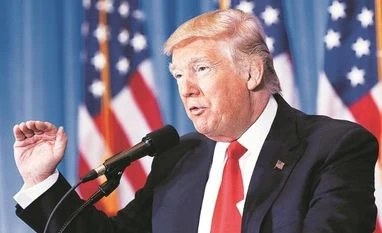 "Trump poll hackers targetted US defence, Russian opposition")


 Connect with us on WhatsApp