Trump's $2,000 Covid relief cheques stall in Senate as GOP blocks vote
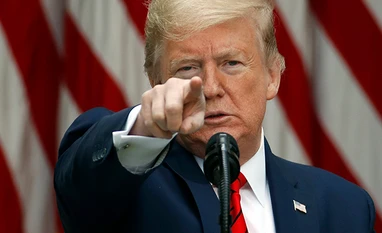
Trump's push for bigger $2,000 Covid relief cheques stalled out in the Senate as Republicans blocked a vote proposed by Democrats and split within their own ranks over whether to boost spending or not
AP Washington President Donald Trump's push for bigger USD 2,000 COVID-19 relief cheques stalled out Tuesday in the Senate as Republicans blocked a swift vote proposed by Democrats and split within their own ranks over whether to boost spending or defy the White House.
The roadblock mounted by Senate Majority Leader Mitch McConnell may not be sustainable as pressure mounts.
Trump wants the Republican-led chamber to follow the House and increase the cheques from USD 600 for millions of Americans.
A growing number of Republicans, including two senators in runoff elections on Jan 5 in Georgia, have said they will support the larger amount. But most GOP senators oppose more spending, even if they are also wary of bucking Trump.
Senators will be back at it Wednesday as McConnell is devising a way out of the political bind, but the outcome is highly uncertain.
There's one question left today: Do Senate Republicans join with the rest of America in supporting USD 2,000 cheques? Senate Democratic leader Chuck Schumer said as he made a motion to vote.
Meanwhile, Treasury Secretary Steven Mnuchin said some of the USD 600 payments might be sent by direct deposit to Americans' bank accounts as early as Tuesday night. Mnuchin tweeted that paper cheques will begin to go out Wednesday.
The showdown over the USD 2,000 cheques has thrown Congress into a chaotic year-end session just days before new lawmakers are set to be sworn into office for the new year.
Its preventing action on another priority overturning Trump's veto on a sweeping defence bill that has been approved every year for 60 years.
Saying little, McConnell signalled an alternative approach to Trump's cheques that may not divide his party so badly, but may result in no action at all.
The GOP leader filed new legislation late Tuesday linking the president's demand for bigger cheques with two other Trump priorities repealing protections for tech companies like Facebook or Twitter that the president complained are unfair to conservatives as well the establishment of a bipartisan commission to review the 2020 presidential election he lost to President-elect Joe Biden.
(Only the headline and picture of this report may have been reworked by the Business Standard staff; the rest of the content is auto-generated from a syndicated feed.)

 "Trump's $2,000 Covid relief cheques stall in Senate as GOP blocks vote")

