US ramps up warnings of business risks in China's Xinjiang region
U.S. government strengthened its warnings to businesses about growing risks of having supply chain investment links to China's Xinjiang region, citing forced labor and human rights abuses there.
Reuters WASHINGTON WASHINGTON (Reuters) -The U.S. government strengthened its warnings to businesses about the growing risks of having supply chain and investment links to China's Xinjiang region on Tuesday, citing forced labor and human rights abuses there.
"Given the severity and extent of these abuses, businesses and individuals that do not exit supply chains, ventures, and/or investments connected to Xinjiang could run a high risk of violating U.S. law," the State Department said in a statement.
Signaling broader U.S. government coordination on the issue, the Department of Labor and the U.S. Trade Representative's Office joined in the issuance of the updated advisory, first released on July 1, 2020 under the Trump administration by the State, Commerce, Homeland Security and Treasury departments.
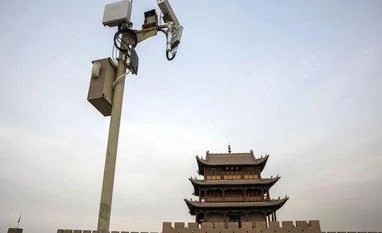
The new advisory strengthens the warning to U.S. companies, noting that they are at risk of violating U.S. law if their operations are linked even "indirectly" to the Chinese government's "vast and growing surveillance network" in Xinjiang. The warning also applies to the provision of financial support by venture capital and private equity firms.
It also summarized previously announced actions taken by the Biden administration to address alleged forced labor and other rights abuses in Xinjiang, including a U.S. Customs and Border Protection ban on some solar product imports from the region, and sanctions on Xinjiang companies and entities.
The move follows an action on Friday in which the administration added 14 Chinese companies and other entities to its economic blacklist over alleged human rights abuses and high-tech surveillance in Xinjiang.
The advisory said China's government continues "horrific abuses" in Xinjiang and elsewhere "targeting Uyghurs, ethnic Kazakhs, and ethnic Kyrgyz who are predominantly Muslim, and members of other ethnic and religious minority groups."
China denies abuses and says it has established vocational training centers in Xinjiang to address religious extremism.
USTR Katherine Tai praised Canada, Mexico and other U.S. partners for committing to ban the import of goods made with forced labor.
"I want to commend our allies for sending a clear sign that there is no place for forced labor in a fair, rules-based international trading system," she said in a statement.
(Reporting by Doina Chiacu, Michael Martina, Tim Ahmann, Susan Heavey and David Shepardson; Editing by Franklin Paul, Jonathan Oatis, Dan Grebler and Paul Simao)
(Only the headline and picture of this report may have been reworked by the Business Standard staff; the rest of the content is auto-generated from a syndicated feed.)

 "US ramps up warnings of business risks in China's Xinjiang region")

