The World Trade Organization (WTO) announced it will miss a 2020 deadline to secure an agreement prohibiting subsidies that threaten the sustainability of global fishing, as countries including China and India hold out for an exemption.
As part of a UN Sustainable Development Goal target, negotiators were tasked with eliminating subsidies for illegal, unreported and unregulated fishing and prohibiting certain subsidies that contribute to overcapacity and overfishing. Talks have also been held up by Covid-19 restrictions on meetings and the change in the US administration. Globally, such subsidies amount to an estimated $14-$54 billion per year, according to the WTO.
“Members had mixed views on the timeline for 2020 in light of Covid-19 disruptions but all are determined to deliver a meaningful outcome,” Santiago Wills of Colombia, chair of the negotiations, wrote in a statement that said an agreement could come early next year.
The talks — which have been ongoing for more than a decade — gained a new urgency in recent years as the world’s fish populations fell below sustainable levels. According to the WTO, some 34 per cent of stocks are now over-fished compared with 10 per cent in 1974. The subsidies allow fishermen to venture further afield from their homes, and for prolonged periods of time. China, the world’s largest fish producer, has argued that it relies on high-seas fishing to feed its 1.4 billion people and that a blanket ban on subsidies would be unreasonable.

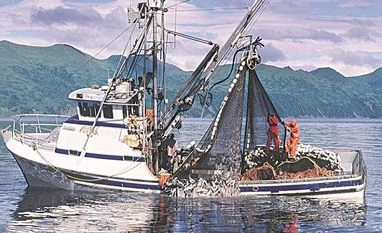 "WTO fishing subsidy talks to miss 2020 deadline as China, India baulk")











