In the line of fire for its inefficiencies and corrupt work practices, the Brihanmumbai Municipal Corporation (BMC), which is also the country’s richest municipal body, is batting for an image overhaul. Through a campaign being rolled out digitally and on traditional media, it hopes to drive home the full extent of the work it does and the sheer enormity of the task at hand, of running a city that is perpetually spinning down a speed track.
The BMC is using its own people to speak in its favour. The ads have been helmed by its engineers, cleaning staff and such others, Three ads—each highlighting a department or function of BMC—have been released thus far and there are more planned. “The attempt is to provide a bird’s eye view,” said Praveen Pardeshi, BMC Commissioner.
The process of using one’s own employees as endorsers is known as brand personification and it is growing increasingly popular as it offers authenticity to the message being relayed. Pardeshi says that the choice was deliberate. “We insisted that the ads should feature our own employees; the water bodies shown are our own and so is the pipeline,” he added. In this way, the corporation hopes to keep critics at bay and influence customer behaviour.
With water, for example, the film called ‘The Journey of India’s purest water’ details just what it takes to provide clean drinking water on the tap for millions in the city. Pardeshi said they would address similar issues such as education, drainage and ease of doing business in the city. He adds that PVR Cinemas and Inox and the digital platform Zee24Taas have agreed to screen the films for no charge.
The campaign is by Lowe Lintas and the ads are unlike what the corporation has done in the past. “This is money well spent. Rich corporations such as the BMC can afford to do this,” said brand strategist Harish Bijoor, founder of Bijoor Consults.
The campaign is self-funded with some of the money coming from its corporate social responsibility (CSR) funds, the corporation said. Pardeshi is quick to clarify that the ads are not an attempt by the BMC to pat its own back. The aim is to build a virtuous circle of trust. “Every city gets the governance it deserves. It is a self-fulfilling prophecy. And if you don’t believe in BMC, it will not be able to deliver,” he adds.
Besides highlighting the huge task it undertakes daily, the BMC is also keen that the ads become part of a larger effort to change citizen behaviour. For instance the film on water ends with a message asking people not to waste the valuable resource. Another film that has just been released (A day in the life of Mumbai’s Swachhata (cleanliness) warrior) asks people to segregate waste. Pardeshi adds, “We create 7,000 metric tonnes of garbage as a city and it disappears like magic. That is the worker’s story (the ads want to tell).” Garbage is a sore point for the citizens of Mumbai and the subject of daily satire on social media. An ad such as this helps put the problem in perspective and, the campaigners hope, get people to be a part of the solution instead of adding to the problem.
Bijoor believes the films are also morale boosters for the organisation. “Campaigns such as these work at various levels. They help showcase the work, build pride among those who work in such corporations and overall leave a positive effect,” he said.
For BMC, the campaign has a double-edged agenda. While it wants people to understand the Herculean task it has, in managing a city such as Mumbai, it also wants its employees to be motivated and feel appreciated over the work they do.

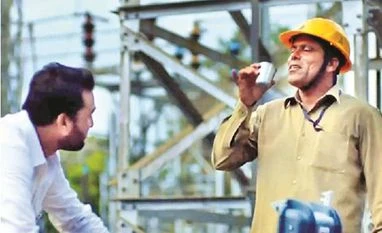 "Image makeover and to counter critics: The idea behind BMC campaigns")












 Connect with us on WhatsApp