Recent data from the US and China has rekindled hopes of a sustainable global economic recovery. Though troubles in the Euro zone remain a concern,
Sandesh Kirkire, chief executive officer, Kotak Mutual Fund, tells
Puneet Wadhwa in an interview he is optimistic about the global economy. Edited excerpts:
With the US economy showing signs of revival and China's March official factory PMI (purchasing managers index) hitting an 11-month high, is the economic recovery here to stay, or will the trouble in the Euro zone dent hopes once again? The European Union (EU) crisis is fundamentally that of a structure. The monetary and fiscal responsibilities are segregated without a political union - that is the main issue. However, we believe EU countries may muddle through slowly by keeping low interest rates and slow fiscal tightening.
While this may rock the boat from time to time, the larger growth outlook remains upbeat. The US and China growth stories look very much on track. In fact, the technological and product innovation superiority, especially of the US, may provide a more robust growth model in times to come. The US recovery should be partially on the back of a declining trade deficit. Overall, I remain optimistic about the global economy.
In the Indian context, what do you make of the PMI numbers that hit a 16-month low in March? Do you think the worsening current account deficit and the macros can change the Reserve Bank of India's (RBI) stance on interest rates? The expanding current account deficit is most certainly a risk; and is limiting RBI's options with regard to the monetary policy. While in theory, a high current account deficit would not lead to a fall in interest rates, the fact is the availability of cheaper money is the need of the day for economic revival, both on the consumption as well as investments fronts. The monetary policy cannot directly impact both food and fuel inflation. I think, RBI would have to focus more on growth. A higher growth is the only feasible way to reduce our fiscal deficit. A falling fiscal deficit would also improve our portfolio inflows and may lead to consequent reduction in the current account deficit.
Indian markets have slipped over six per cent in 2013. What is the road ahead for the global markets, including India? What has been your investment strategy in this backdrop? Globally, the current account surplus nations are exporting capital to the current account deficit nations. This may be happening through sovereign wealth funds and such other mediums. India, too, has been a recipient of such allocations.
Given India's profile as a diversified, domestic demand-driven economy, the quality and quantity of allocation may only improve. The requirement is of fixing the domestic issues. Strategy-wise, we follow a bottom-up portfolio approach, though we may have adopted a defensive stance in select sectors as part of a transitory tactic. Over the long term, this intermittent volatility gets averaged out.
How have you managed your investments in the mid- and small-cap space and what is the road ahead? Generally, mid-caps tend to be more volatile than large-caps and therefore, have the tendency to be overbought or oversold, depending on the prevailing market sentiment in the short term.
The same has happened this time as well. The mid-cap segment did exceedingly well in 2012 as compared to the large-cap segment, and with markets correcting in the past few months, this segment has seen more profit booking.
Can information technology (IT) stocks outperform? What about the FMCG (fast-moving consumer goods), pharmaceutical and banking packs? The improving business outlook for IT companies and continued concerns on the rupee on account of high levels of CAD (rupee depreciation improves margin outlook) provide reasons for optimism in IT stocks. The same is also true for the pharma sector that may also benefit from the export competitiveness due to weakening rupee.
We also remain optimistic on the private banking space on account of better asset quality management and more robust NIMs (net interest margins). However, we remain cautious in the FMCG space on account of stretched valuations and some early signs of pressure on volume growth.
Do you see any ray of hope for the infrastructure, capital goods, cement and automobile sectors? The business outlook of the infrastructure and capital goods space is deeply intertwined with the resurrection of the investment cycle, which currently seems distant. Hence, we remain circumspect on these two sectors. On a relative scale, though, our outlook on the automobile and cements sector is more upbeat on account of better growth prospects, in case of a cyclical recovery.
The mutual fund (MF) industry has been seeing waning investor interest, which is evident from the closure in equity folios in the past one year. What do you attribute this to? Are you also facing redemption pressure? Are you fully invested at the current levels? While the folio closures are being witnessed due to redemption pressure, there is also a consolidation of account happening for the investor. Having said that, there is a creeping phobia building in among the investors regarding the 20,000 mark, which prompts a bear trigger.
This, despite the fact that at around the same 20,000 levels, the S&P BSE Sensex is around 30-35 per cent cheaper than it was in 2008. From our funds' point of view, we prefer to remain fully invested, albeit defensive allocations have increased depending on the nature of the fund.
How do you interpret the currency movements? The dollar has a fairly strong wind behind its sails and may continue to remain upbeat. The euro, however, may remain numb for some more time. The yen seems slightly difficult to anticipate, though given the deteriorating security environment in its neighbourhood; we believe the yen may soften a bit more in the near future. Moreover, the threat of depreciation due to currency competition also remains, howsoever transient it may be.
Most investors, including George Soros, have reduced their positions in gold. What is the outlook for the yellow metal and gold exchange-traded funds? With the rising stability in the global financial markets and the improving outlook of the US economy, global outlook on gold has softened. From the Indian point of view, gold returns get aided by erosion in value of the rupee. Therefore, an Indian investor may look to allocate a portion of investments in gold with the dual purpose of gaining exposure to gold and the dollar at the same time.

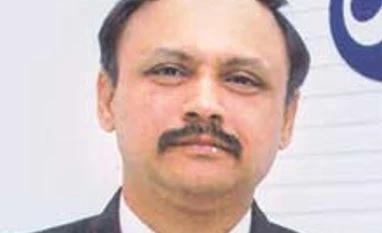 "Allocation to defensive stocks has increased: Sandesh Kirkire")


 Connect with us on WhatsApp