Copper, paperboard, RBD imports to decline on stringent 'rules of origin'

In Budget 2020, FM emphasised the need to strengthen 'rules of origin' under the FTA to curb import from non-producing (trading) countries
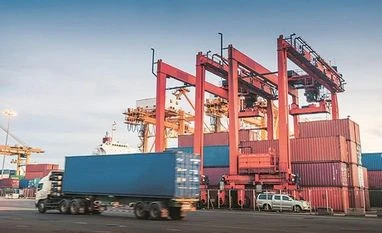
imports
India encourages trade with underdeveloped nations such as Nepal, Sri Lanka and Bangladesh in the Asian region
Dilip Kumar Jha Mumbai
3 min read Last Updated : Feb 05 2020 | 12:58 AM IST
India’s imports of copper, RBD (refined, bleached and deodorised) palmolein, paper and paperboard are likely to decline in the coming quarters due to stringent norms being put in place on the ‘rules of origin’ to check undue dumping of these commodities under Free Trade Agreements (FTAs) from non-producing countries.

Sharp increases in the import of copper, RBD palmolein, paper and paperboards either at ‘nil’ or ‘preferential’ lower customs duty have been hurting local producers. Indian manufacturers have repeatedly urged the government to curb entry of these commodities from non-producing countries at lower duties.

Like developed countries, India encourages trade with underdeveloped nations such as Nepal, Sri Lanka and Bangladesh in the Asian region at either ‘nil’ or ‘lower than normal’ customs duty.

But in Union Budget 2020, finance minister Nirmala Sitharaman emphasised the need to strengthen ‘rules of origin’ under the FTA to curb import with malicious intent from non-producing (trading) countries.

“It has been observed that imports under FTAs are on the rise. Undue claims of FTA benefits have posed a threat to domestic industry. Such imports require stringent checks. In this context. Suitable provisions are being incorporated in the Customs Act. In the coming months we shall review ‘Rules of Origin’ requirements, particularly for certain sensitive items, so as ensure that FTAs are aligned to the conscious direction of our policy,” said the minister while delivering the Budget speech.


India imported 190,000 tonnes of RBD palmolein recently from Nepal. Since, no palm kernel (seed) processing facility exists in Nepal, the import of RBD palmolein is feared to have originated from Malaysia. While direct import of palmolein attracts customs duty of 44.5 per cent, import through Nepal could be possible at ‘nil’ duty under the South Asian Free Trade Area (SAFTA).

“Export of RBD palmolein from Nepal to India flouts rules of origin and value addition with impunity and should not be allowed under any circumstances. Such imports will hit revenue collections of the government, in addition to affect domestic oilseeds processing industry and thereupon farmers,” said B V Mehta, Executive Director, Solvent Extractors’ Association (SEA).

Under the FTA, 35 per cent value addition by the exporting country on free-on-board (FOB) value of goods is a must. Today, exporters add shipping and other miscellaneous costs including handling, loading and unloading to achieve the mandatory norms of 35 per cent value addition.

“Value addition of 35 per cent is impossible in the case of copper. Huge quantities of refined copper bars that were being imported from Sri Lanka and Vietnam until recently, got curbed automatically after the Indian government removed copper bar from the FTA commodities list. Similarly, import of copper from other FTA countries can also be restricted for the benefit of local producers,” said Rohit Shah, Managing Director, Perfect Valves, a city-based refined copper importer.

Import of paper and paperboards from non-producing countries is a matter of great concerns for Indian manufacturers.

“While the decision to strengthen ‘rules of origin’ is good, its impact on overall import would depend upon the action taken by the government. If restricted fully, there would certainly be a decline in India’s import of paper and paperboard,” said Rohit Pandit, Secretary General, Indian Paper Manufacturers Association (IPMA).

Meanwhile, in a stern warning to importers, the finance minister clarified that those fail to furnish ‘certificate of origin’ and flout any norms mentioned in the FTA including value addition laws, would have to relinquish the preferential duty claim.

One subscription. Two world-class reads.

Already subscribed? Log in

Subscribe to read the full story →
*Subscribe to Business Standard digital and get complimentary access to The New York Times

Smart Quarterly

₹900

3 Months

₹300/Month

SAVE 25%

Smart Essential

₹2,700

1 Year

₹225/Month

SAVE 46%
*Complimentary New York Times access for the 2nd year will be given after 12 months

Super Saver

₹3,900

2 Years

₹162/Month

Subscribe

Renews automatically, cancel anytime

Here’s what’s included in our digital subscription plans

Exclusive premium stories online

  • Over 30 premium stories daily, handpicked by our editors

Complimentary Access to The New York Times

  • News, Games, Cooking, Audio, Wirecutter & The Athletic

Business Standard Epaper

  • Digital replica of our daily newspaper — with options to read, save, and share

Curated Newsletters

  • Insights on markets, finance, politics, tech, and more delivered to your inbox

Market Analysis & Investment Insights

  • In-depth market analysis & insights with access to The Smart Investor

Archives

  • Repository of articles and publications dating back to 1997

Ad-free Reading

  • Uninterrupted reading experience with no advertisements

Seamless Access Across All Devices

  • Access Business Standard across devices — mobile, tablet, or PC, via web or app

Topics :importsIndia importsFree Trade Agreements

Next Story



