Covid-19: Mango farmers approach housing societies for direct bulk supply

Grim export potential despite huge orders booked, due to prohibitive transport costs and lockdown in importing nations
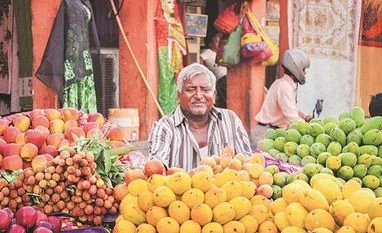
mango
Identified as the hub of Alphonso mango in India, Ratnagiri district is currently producing the 'king of fruit;, as it is popularly called, at only 50 per cent of its potential
Dilip Kumar Jha Mumbai
4 min read Last Updated : Apr 15 2020 | 7:27 PM IST
The extension of the nationwide lockdown has had mango farmers in Maharashtra worried about their livelihood and the ability to survive for the next one year. This is because they will find it extremely difficult to sell the fruit for which they had begun preparations in the previous season.

Farmers in Ratnagiri district, the mango hub of Maharashtra which produces around 275,000 tonnes of the famed Alphonso variety, have started approaching co-operative housing societies in Mumbai and other large cities across the state to book orders and supply in bulk directly to consumers.


The new system of mango supply has benefited both farmers and consumers due to eradication of the middlemen who normally extract huge margins in facilitating transactions. But now, farmers will earn at least 20-30 per cent more than they used to through agents. And the consumer also gets assured supply at rates lower than the market price.

“Mango farmers in Ratnagiri have started approaching co-operative housing societies individually to sell their produce directly. Over 180 farmers and 100 consumers have registered on our website. We only facilitate and don’t intervene in their bilateral transactions,” said Milind Joshi, General Manager, Maharashtra State Agricultural Marketing Board (MSAMB), a unit of the government of Maharashtra for monitoring production and sale of agricultural produce in the state.

Identified as the hub of Alphonso mango in India, Ratnagiri district is currently producing the 'king of fruit;, as it is popularly called, at only 50 per cent of its potential. Climate change, inadequate financial support, unavailability of pre- and post-harvest fruit care techniques and absence of organised retailing have seen farmers losing mango output gradually.

“There is a huge quantity of Alphonso mango available today which requires proper selling. Farmers have booked massive export orders that are impossible to fulfill currently due to high freight costs. The bulk goods carrier planes cannot fly without passengers both sides due to global lockdown. The transportation cost of small carriers is prohibitive. Under the circumstances, mango farmers have little choice other than waiting for the lockdown to end to start exporting this season,” said Joshi.


Prices of Alphonso mango have declined to Rs 600 a dozen now in the Ratnagiri wholesale market. Premium quality (each fruit weighing over 250 grams) Alphonso, however, is priced at Rs 1,200-1,500 a dozen.

The nationwide lockdown which was initially implemented for three weeks beginning March 25 and was extended further by 19 days till May 3 to contain the spread of the deadly coronavirus, has brought entire country at a grinding halt. Not only has it brought manufacturing and transportation of essential and non-essential goods and services to a grinding halt, but has also made factory and farm labour scarce.

As a consequence, transportation of mango from farm to airport has come to a standstill. The freight cost to Europe, for example, works out to Rs 210 per kg today compared to Rs 100 earlier.

“Mango export opportunity will be lost for this season in case the lockdown is extended beyond May 3. But farmers and exporters are ready with all approvals to start shipment immediately after the lockdown period, provided the lockdown in importing countries also ends simultaneously,” said Joshi.

Trade sources said farmers and Indian exporters have received huge mango export orders from the United States, Australia, United Kingdom and West Asia for both pharmaceutical and direct use.
Meanwhile, mango farmers across the country have urged the government to compensate the loss incurred due to the nationwide lockdown, along the lines of other agriculture crops like foodgrains, pulses and cash crops.

“After all, we are also farmers. We get an opportunity to earn our livelihood only once a year. If this opportunity is lost, we would face huge financial crisis for the entire next year. Therefore, the government should consider our request and compensate the loss currently being incurred due to nationwide lockdown,” said Insaram Ali, President, Mango Growers Association.

India’s mango output is estimated at around 22 million tonnes this year, the same as last year.

One subscription. Two world-class reads.

Already subscribed? Log in

Subscribe to read the full story →
*Subscribe to Business Standard digital and get complimentary access to The New York Times

Smart Quarterly

₹900

3 Months

₹300/Month

SAVE 25%

Smart Essential

₹2,700

1 Year

₹225/Month

SAVE 46%
*Complimentary New York Times access for the 2nd year will be given after 12 months

Super Saver

₹3,900

2 Years

₹162/Month

Subscribe

Renews automatically, cancel anytime

Here’s what’s included in our digital subscription plans

Exclusive premium stories online

  • Over 30 premium stories daily, handpicked by our editors

Complimentary Access to The New York Times

  • News, Games, Cooking, Audio, Wirecutter & The Athletic

Business Standard Epaper

  • Digital replica of our daily newspaper — with options to read, save, and share

Curated Newsletters

  • Insights on markets, finance, politics, tech, and more delivered to your inbox

Market Analysis & Investment Insights

  • In-depth market analysis & insights with access to The Smart Investor

Archives

  • Repository of articles and publications dating back to 1997

Ad-free Reading

  • Uninterrupted reading experience with no advertisements

Seamless Access Across All Devices

  • Access Business Standard across devices — mobile, tablet, or PC, via web or app

Topics :Coronavirusmango productionfarmersIndian mangoes

Next Story



