Equity outlook: Risk-return trade-off looks favourable currently
Prasun Gajri The equity markets ended 2013 on a bullish note and the general consensus at the beginning of this year was the rally would continue. However, January has been a volatile month with large caps being flat so far but the mid-caps succumbing to profit-booking after a smart rally in the previous few months. The market is clearly worried about the outcome of elections later this year as well as the impact of bond-buying tapering by the US Fed.
While it is extremely difficult to judge how the market behaves in the short term, it is becoming easier to take a call on the medium-term macro-variables. One can expect a relatively stable currency and interest rate scenario over the next 12 months. Inflation can be expected to come off slowly. Domestic growth can be expected to improve gradually from current levels but the worst is over. Global growth is on an upswing and that is a huge tailwind for our economy, looking for export growth to kick-start the revival. We can also expect stable crude oil prices with a negative bias, as more supplies come on stream and the Iran deal progresses. Fiscal deficit continues to be a worry. But expenditure curtailment and the impending divestment and telecom spectrum auction proceeds imply that the problem is likely to be pushed to the next financial year. Any government that comes in will have little choice but to take tough decisions on curtailment of fiscal deficit. If any such decisions are taken, these will be positive for the market. Also, the investment cycle has not shown any signs of revival. Even if a stable and decisive government comes in power, it will take some time before any positive results become evident. We are, however, much better prepared to handle the impact of taper. On the whole, the macro backdrop looks encouraging from the perspective of equity markets.
As for the earnings, we have been witnessing a sequential improvement in growth rates. Earnings growth for the second quarter in 2013-14 (FY14) was better than the first one and the trend is likely to continue through the third and fourth quarters of FY14. The market is building 14-15 per cent growth in earnings for FY15, which looks possible if the macro factors play out as expected. Given this, the current market valuations look reasonable. If the election outcome delivers a stable and decisive government, not only will the earnings outlook improve but the market multiples are also likely to expand from the current levels. Thus, one would want to remain invested in the equity markets at these levels. From a portfolio construction view, we would want a balanced portfolio, that is well diversified with a focus on both the defensive sectors (information technology and pharmaceuticals) and the more cyclical sectors (financials and capital goods) along with a judicious mix of some quality mid-cap names.
The key risk clearly is, what happens if we get an unstable and messy coalition at the end of elections. While this is probable, it does not look possible given the current political equations and the indications from the recent opinion polls. Investment in equity markets always has inherent risks but what matters is the overall risk-return trade-off, which looks favourable currently from an equity exposure point of view.
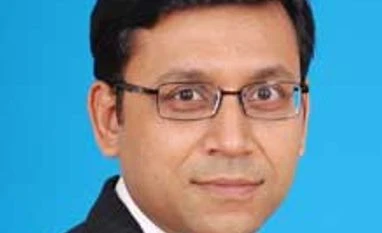
The author is chief investment officer, HDFC Life

 "Equity outlook: Risk-return trade-off looks favourable currently")


 Connect with us on WhatsApp