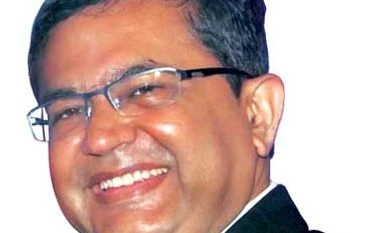
GIFT City exchange will be for all asset classes: Ashish Kumar Chauhan
Interview with Chief executive officer, BSE
Arup RoychoudhuryAshley Coutinho Ashish Kumar Chauhan, chief executive officer of the BSE, tells Arup Roychoudhury and Ashley Coutinho in an interview delisting of companies that have been suspended for more than seven years will start in a few months and the exchange will comply with all regulations to curb high-frequency trading. Edited excerpts.
When will the BSE file for its initial public offering? How much are you planning to raise? We have approved the lead merchant bankers. I have been told by lawyers that I should not speak on the IPO at all.
Does the BSE have a road map for returning money to investors after delisting companies that have been suspended for seven years? A number of these companies have not complied with exchange regulations. Some are not traceable. We have to work with whatever information valuers can gather. And that will be provided to all the investors. A company will still be available after delisting on the dissemination board of the exchange. When the promoters of these companies step ahead to comply, or if they want to compensate investors, they have the valuation report available.
Do you have a timeline for their delisting? The process is already six months old. Over the next few months we will see these companies being delisted.
What is the progress on launching your commodity division as well the GIFT City exchange? The approval process has to be completed for the commodity exchange. After that happens we will be able to start it in a few months. The GIFT City exchange will compete with international exchanges in equities, currency and non-agriculture commodities. The plan is to provide a platform for international companies to raise funds.
Is there a need to clamp down on high-frequency trading? Will the regulator's measures hurt exchanges? Concerns have been raised over high-frequency trading. Many countries want appropriate action to assure people that algorithm trading is not unfair. The Securities and Exchange Board of India has taken steps other market regulators have followed elsewhere.
Whenever new regulations come in they are opposed by market players, but later they are found to be good. We comply with all regulations in letter and spirit. All decisions are taken after discussions with retail and institutional investors.
The BSE recently started market-making for its XD group of companies. What steps are you taking to draw market makers? Many of the 4,000 companies that trade with us lack liquidity. We have come up with a proposal to invite market makers for some of the illiquid companies. Not many people have come forward. We will discuss with the regulator how to the make the market-making framework attractive. Sebi regulations have succeeded in creating the minimum liquidity in small and medium enterprises required by investors.

 "GIFT City exchange will be for all asset classes: Ashish Kumar Chauhan")


 Connect with us on WhatsApp