Home / Markets / News / Improving liquidity scenario is a positive for markets in 2020: Shiv Sehgal
Improving liquidity scenario is a positive for markets in 2020: Shiv Sehgal
India trades at 77 per cent from a market cap-to-GDP perspective which is its long-term average, and not expensive, says Shiv Sehgal, deputy CEO, Edelweiss Global Investment Advisors
premium
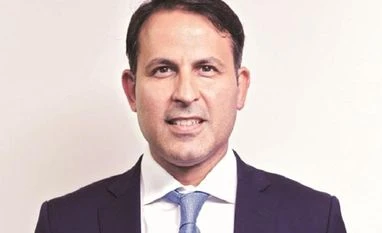
Shiv Sehgal, deputy CEO, Edelweiss Global Investment Advisors
The improving liquidity scenario is a positive for the markets in 2020, says Shiv Sehgal, deputy CEO, Edelweiss Global Investment Advisors. In an interview with Ashley Coutinho, he says India trades at 77 per cent from a market cap-to-GDP perspective which is its long-term average, and not expensive. Edited excerpts:
What is your market outlook for 2020?
The Nifty has gained about 12 per cent this year amid the economic slowdown, much higher than what was expected at the end of 2018. The rally has been broader than in 2018. Last year, the combination of Fed rate hikes and quantitative tightening led to the outflow of liquidity from emerging markets (EMs), leading to weak growth and asset market performance. However, in 2019, the Fed reversed its hawkishness, cut rates thrice, and resumed its balance-sheet expansion. It’s this improving liquidity scenario that makes me optimistic about 2020.
Headline valuations appear lofty at 18 times one-year forward. However, this hides the polarisation within the index. From a market cap-to-GDP perspective, India trades at 77 per cent, which is its long-term average, and not expensive per se.
What is your view on mid- and small-cap stocks?
I think the improving liquidity scenario will benefit mid and small caps the most. Given the steep valuation discount that these stocks are trading at, it’s only a matter of time before they catch up with large caps. Confidence and risk-on sentiment will be the catalysts.
Which are the sectors you are betting on?
Global-oriented sectors should perform well in 2020 and to that extent, the outlook for metals, export auto, and export industrials look promising. While some of it has played out, we think there is still more juice left in that rally. More importantly, the stark polarisation seen in the markets in the last two years should also reverse and investors should look to add the laggards in each sector. Valuations of industrials, non-banking financial companies, and corporate banks are depressed and should see mean reversion in 2020. Overall, value stocks will outperform quality in 2020.
Consumer spending has slowed. What is your reading of the situation?
The current slowdown in consumer spending has been in the works for quite some time. Our investment and export cycle peaked in 2012, and we have had a prolonged slowdown since then. It’s this segment that provides jobs. However, consumption remained healthy until 2018, owing to the rise in household leverage and easy liquidity conditions. In the last one year, the liquidity crack weighed on consumption. However, with liquidity easing, I think consumption and overall economic growth should stabilise sooner than later. The improvement in the economy could potentially be stronger if we get a much more aggressive fiscal and monetary response.
Have we become susceptible to a sharp correction considering the rally since September?
The markets, by default, are forward-looking and hence respond quicker to liquidity than the real economy. I think that liquidity will remain benign and economic growth will stabilise. Hence, to that extent, I would be less worried about the market rally. More importantly, the rally since September is more broad-based than just the top 10 stocks.
Read this article for free
Register to continue reading premium journalism and analysis from Business Standard.

 "Improving liquidity scenario is a positive for markets in 2020: Shiv Sehgal")










 Connect with us on WhatsApp