Libya reopens last of its major oil fields in another blow to OPEC+

Oil drops as Libya's NOC lifts force majeure on El Feel field
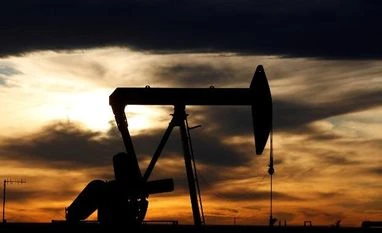
Crude oil
The move will bolster the Tripoli-based National Oil’s attempt to boost Libyan production to 1 million barrels each day within a month
Salma El Wardany | Bloomberg
2 min read Last Updated : Oct 27 2020 | 12:52 AM IST
Libya is set to restart the last of its major oil fields following a ceasefire in its civil war, a milestone for the Opec member that’s been largely offline since January.
 
Oil dropped after the state energy firm lifted force majeure on exports from El Feel on Monday. The move will bolster the Tripoli-based National Oil’s attempt to boost Libyan production to 1 million barrels each day within a month.
 
The return of Libyan barrels is hindering Opec+ as it tries to prop up crude prices amid a resurgence in coronavirus cases and with many major economies imposing lockdowns again. The oil producers’ alliance was set to ease supply cuts by almost 2 million barrels a day in January, but may be forced into a delay.
 
Crude production from Libya’s western deposit of El Feel, or Elephant in Arabic, will reach normal rates of around 70,000 barrels daily within a few days, the NOC said. Force majeure is a clause in contracts allowing deliveries to be suspended. Monday marks “the end of closures at all Libyan oil fields and ports,” the NOC said.
 
Libya’s output has risen rapidly over the past six weeks after Khalifa Haftar, a commander in the long-running war, ended a blockade of most energy facilities started in January. His representatives agreed a permanent truce with the United Nations-recognized government of Prime Minister Fayez al-Sarraj on Friday. The two sides are set to meet in Tunisia next month to appoint a unity government.
 
While Libya has been in chaos since a 2011 revolt that overthrew former dictator Muammar al-Qaddafi, its oil industry has proved resilient. A rise in production from mid-2016 proved more sustainable than many traders expected, with the country’s output averaging around 1 million barrels a day in both 2018 and 2019.
 
The speed of the latest recovery has again taken markets by surprise and put pressure on oil prices, which have been hammered since the virus spread around the world. Brent crude dropped 1.8 per cent to $41.06 per barrel as of 10:45 a.m. in London, deepening its fall this year to 38 per cent.

One subscription. Two world-class reads.

Already subscribed? Log in

Subscribe to read the full story →
*Subscribe to Business Standard digital and get complimentary access to The New York Times

Smart Quarterly

₹900

3 Months

₹300/Month

SAVE 25%

Smart Essential

₹2,700

1 Year

₹225/Month

SAVE 46%
*Complimentary New York Times access for the 2nd year will be given after 12 months

Super Saver

₹3,900

2 Years

₹162/Month

Subscribe

Renews automatically, cancel anytime

Here’s what’s included in our digital subscription plans

Exclusive premium stories online

  • Over 30 premium stories daily, handpicked by our editors

Complimentary Access to The New York Times

  • News, Games, Cooking, Audio, Wirecutter & The Athletic

Business Standard Epaper

  • Digital replica of our daily newspaper — with options to read, save, and share

Curated Newsletters

  • Insights on markets, finance, politics, tech, and more delivered to your inbox

Market Analysis & Investment Insights

  • In-depth market analysis & insights with access to The Smart Investor

Archives

  • Repository of articles and publications dating back to 1997

Ad-free Reading

  • Uninterrupted reading experience with no advertisements

Seamless Access Across All Devices

  • Access Business Standard across devices — mobile, tablet, or PC, via web or app

Topics :LibyaOil Prices

Next Story



