Associate Sponsors

Co-sponsor

Lower China demand, higher US exports to Europe likely to hurt UPL

Despite trade tensions between the US and China, soybean premiums have not widened
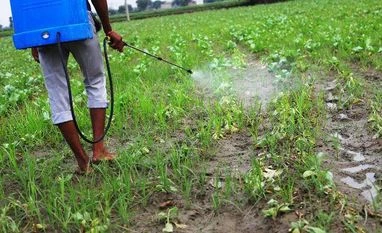
farm
Ujjval Jauhari New Delhi
4 min read Last Updated : Jun 21 2019 | 12:26 AM IST
Agrochemical major UPL shed over 8.5 per cent on Thursday, and has lost about 13 per cent in the last two trading sessions. The pressure on the stock because of concerns over lower exports to Latin America due to trade tensions between the US and China, as well as events such as the spread of African swine fever (AFS) which could impact soybean demand in China.

UPL is a global player that derives more than a third of its revenues from Latin America; India, Europe, North America and the rest of the world contribute 14-18 per cent each to its revenues. The company’s Brazilian sales may come under pressure as soybean exports from the country are on the decline. The lower demand and prices for soybean in Brazil could hit prospects of UPL’s crop protection solution business, say analysts.

While the trade conflict between the US and China should have led to higher Brazilian exports to China, this did not turn out to be the case. China soybean imports are down about 25 per cent year-on-year during Septem­ber 2018-May 2019 and imports from Brazil are now falling 9 per cent lower year-to-date in 2019. During 2018, high soybean demand in China had benefitted Brazil substantially as the Latin American nation saw soybean acreage expand. Farmers also got premiums of up to 20 per cent over US prices.

Despite trade tensions between the US and China, soybean premiums have not widened and, in fact, China imports are on the decline, indicating weakness in demand, say analysts. The declining pork production in China given swine flu worries is also pulling down demand for soybean and this pressure can persist.

Further, with rising US inventories, more soybeans exports are being directed to Europe from the US. Europe had earlier been a good destination for Brazilian exports, and the rising US exports now do not bode well for Brazil.

Looking at these factors, concerns were bound to increase for Brazilian soybean crop and, in turn, UPL’s expo­rts of its crop protection portfolio.

While these concerns exist and may keep stock prices under pressure, the key monitorable would be the way the tariff war pans out, as well as a subsequent global slowdown. This could be a risk both for the industry’s and UPL’s growth outlook.

Brokerages, however, also see some silver linings. HSBC feels that lower prices for soybean could be a positive given farmers’ preference for high-quality and low-priced products, where UPL has an advantage. Further, trade tensions between the US and China could cause pesticides imported from China to become expensive in the US due to higher tariffs.

For example, rising prices of glyphosate could potentially benefit glufosinate-based products, which would be positive for UPL’s herbicide portfolio in the US. Analysts at HSBC, thereby, have maintained their positive ratings and target prices of Rs 1,220 for the stock, which is now trading at Rs 869.60 levels.

Most brokerages continue to be positive on the stock after a robust Q4 performance, which helped the stock hit its 52-week high a week back.

Among the positives are the benefits of the Arysta acquisition. UPL (ex-Arysta) had reported revenue and earnings growth of 14 per cent and 10 per cent y-o-y, respectively, during FY2019. Management, post results, reiterated that revenue and cost synergies of $350 million and $200 million, respectively, on account of Arysta’s acquisition will accrue in a phased manner over a period of three years, beginning FY20.

Prabhudas Lilladher had estimated revenue, Ebitda and profits to grow at 34.7 per cent, 47.6 per cent and 29.3 per cent, respectively, between FY19-21. Analysts at Sharekhan, too, had said that with synergies and integration benefits flowing through, they believe growth momentum should accelerate, as the acquisition will strengthen UPL’s position in the global agrichem market.

One subscription. Two world-class reads.

Already subscribed? Log in

Subscribe to read the full story →
*Subscribe to Business Standard digital and get complimentary access to The New York Times

Smart Quarterly

₹900

3 Months

₹300/Month

SAVE 25%

Smart Essential

₹2,700

1 Year

₹225/Month

SAVE 46%
*Complimentary New York Times access for the 2nd year will be given after 12 months

Super Saver

₹3,900

2 Years

₹162/Month

Subscribe

Renews automatically, cancel anytime

Here’s what’s included in our digital subscription plans

Exclusive premium stories online

  • Over 30 premium stories daily, handpicked by our editors

Complimentary Access to The New York Times

  • News, Games, Cooking, Audio, Wirecutter & The Athletic

Business Standard Epaper

  • Digital replica of our daily newspaper — with options to read, save, and share

Curated Newsletters

  • Insights on markets, finance, politics, tech, and more delivered to your inbox

Market Analysis & Investment Insights

  • In-depth market analysis & insights with access to The Smart Investor

Archives

  • Repository of articles and publications dating back to 1997

Ad-free Reading

  • Uninterrupted reading experience with no advertisements

Seamless Access Across All Devices

  • Access Business Standard across devices — mobile, tablet, or PC, via web or app

Next Story



