Markets rebound on ECB stimulus hopes, oil recovery
However, the benchmark indices still ended the week in the red for the third straight week
BS Reporter Mumbai Indian markets witnessed a relief rally and gained two per cent on Friday on hopes of further stimulus measures from the European Central Bank and a spurt in global crude oil prices. However, the benchmark indices still ended the week in the red for the third straight week.
The benchmark BSE Sensex rose 473 points, or 1.98 per cent, to 24,436, while the 50-share Nifty climbed 146 points to 7,422, its biggest single-day percentage gain since October 5, 2015. Global crude oil benchmarks, Nymex and Brent, rebounded in today’s trade as cold weather conditions in the US and Europe lifted demand. Both the benchmarks were trading over $30 a barrel.
“Investor sentiment was given a boost after crude oil prices staged a recovery to scale the $30 mark breached last week and the European Central Bank (ECB) signalled that the council may provide further stimulus in its next meeting in March,” said Shreyash Devalkar, fund manager, equities, BNP Paribas Mutual Fund.
According to a recent Bank of America Merrill Lynch Fund Manager Survey, a recession in China, followed by an emerging market debt crisis and a geopolitical crisis, remain the biggest tail risk for investors. With global growth refusing to pick up, Asia Pacific ex-Japan investors think the likelihood of a recession in the region is highest since the 2008-09 crisis.
International investors have been pulling out money from emerging markets, including India, and moving to safe assets like US gilts and gold. This month foreign institutional investors have already sold shares worth more than $1 billion. On Friday, they offloaded another Rs 769 crore worth of Indian shares even as domestic institutions purchased shares worth Rs 915 crore, according to provisional data.
Domestic money managers are banking on hopes of a recovery in earnings and improvement in the economy with the help of reforms. Domestic institutions, including mutual funds and insurance companies, have pumped in over Rs 10,000 crore into stocks since the start of the year.
Asian markets ended higher after the ECB triggered hopes of a stimulus. The Nikkei ended up 5.8 per cent on the back of a weaker yen while the Hang Seng and Kospi inched higher by more than 2 per cent each. The Shanghai Composite ended up 1.2 per cent.
Expectations of a stimulus by the ECB buoyed European shares. The CAC, DAX and FTSE were trading up anywhere between 2 per cent and 3.2 per cent at 5.40 India time.
It was another volatile week for Indian markets, as renewed concerns over global growth, a slowdown in China and a further slide in crude oil prices routed equities across the world. On Thursday, Indian markets joined their Asian counterparts like China, Japan and the Philippines in ‘bear territory’. A fall of 20 per cent from the recent peak is defined as bear market. Most major Asian markets and European markets such as Germany, France and the UK have entered bear territory recently. The US is one of the few major markets that has not plunged into bear zone yet.

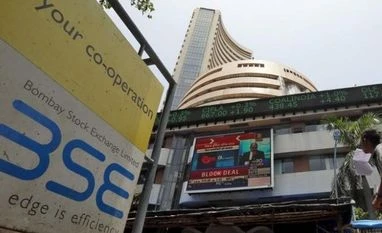 "Markets rebound on ECB stimulus hopes, oil recovery")


 Connect with us on WhatsApp