Metal prices to climb in 2017: World Bank

Beverage prices declined three per cent in response to a supply-driven price drop in cocoa prices
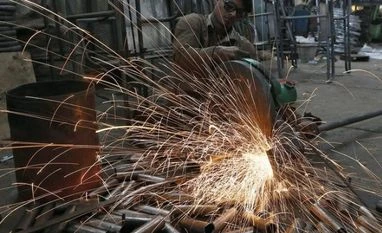
A worker cuts a metal pipe inside a steel furniture production factory in Ahmedabad
Dilip Kumar Jha Mumbai
Last Updated : Jan 31 2017 | 1:05 AM IST

Metal prices are likely to climb 11 per cent in 2017, a World Bank study said on Monday. Despite a 10 per cent increase in October-December, metal prices posted a six per cent decline in 2016. 

“Metal prices are projected to increase by 11 per cent in 2017 due to tightening markets for most metals, especially those facing imminent resource constraints,” the World Bank study said. “The largest gains are expected in zinc (27 per cent) and lead (18 per cent) due to mine supply constraints brought on by permanent and discretionary closures. Double-digit gains are also expected for copper, nickel, and tin,” it added. 

“Upside risks to prices include stronger global demand, slower ramp-up of new capacity, tighter environmental constraints, and policy action that limits supply. Downside risks include slower demand in China and higher than expected production, including the restarting of idled capacity,” it said. 

In October-December, grain prices declined more than four per cent due to a larger-than-expected rice crop and improved prospects for wheat and maize. 

Beverage prices declined three per cent in response to a supply-driven price drop in cocoa prices. Other agricultural price indices changed very little during the quarter. 

“Agricultural prices are expected to increase modestly in 2017, with considerable variation across commodities. Grain prices are projected to decline three per cent this year. However, oils and meals prices are projected to increase three per cent, adding to last year’s five per cent rise. Beverage prices are forecast to decline marginally in 2017. Raw materials are projected to gain two per cent after dropping four per cent in 2016,” the study said.  A key upside risk to the long-term forecast is increased government use of agricultural support policies. Price risks also stem from energy and fertiliser prices, according to the World Bank. 

The study said crude oil prices jumped 10 per cent in October-December on cuts announced by several producing nations. Coal prices surged 38 per cent on government-ordered production cuts in China. Natural gas prices rose eight per cent due to stronger demand in the three main consuming regions and tightness in Asian liquefied natural gas supply, it added.

One subscription. Two world-class reads.

Already subscribed? Log in

Subscribe to read the full story →
*Subscribe to Business Standard digital and get complimentary access to The New York Times

Smart Quarterly

₹900

3 Months

₹300/Month

SAVE 25%

Smart Essential

₹2,700

1 Year

₹225/Month

SAVE 46%
*Complimentary New York Times access for the 2nd year will be given after 12 months

Super Saver

₹3,900

2 Years

₹162/Month

Subscribe

Renews automatically, cancel anytime

Here’s what’s included in our digital subscription plans

Exclusive premium stories online

  • Over 30 premium stories daily, handpicked by our editors

Complimentary Access to The New York Times

  • News, Games, Cooking, Audio, Wirecutter & The Athletic

Business Standard Epaper

  • Digital replica of our daily newspaper — with options to read, save, and share

Curated Newsletters

  • Insights on markets, finance, politics, tech, and more delivered to your inbox

Market Analysis & Investment Insights

  • In-depth market analysis & insights with access to The Smart Investor

Archives

  • Repository of articles and publications dating back to 1997

Ad-free Reading

  • Uninterrupted reading experience with no advertisements

Seamless Access Across All Devices

  • Access Business Standard across devices — mobile, tablet, or PC, via web or app

Next Story



