As the National Stock Exchange’s flagship index, Nifty50, hit its historical 10,000 mark on Tuesday, here is a quick look back at country’s largest stock exchange’s 25-year long history:
NSE, which was the first exchange in the country to provide a fully automated screen-based electronic trading system to the investors, was established in 1992 as a tax-paying company. It was recognised as a stock exchange by the market regulator Sebi in April 1993, when P V Narasimha Rao headed the country as Prime Minister and Manmohan Singh was the Finance Minister. The equity segment of the NSE commenced operations in 1994, and derivative segment came into being in 2000, while the internet trading also started in 2000.
When BSE underestimated NSE
BSE remained the undisputed leader among stock exchanges until the NSE emerged on the scene in 1993. Its electronic trading system and easy membership procedure changed overnight the rules of the game, and NSE soon wrested a substantial share of the market from BSE. Soon after, BSE, which had for long resisted the government’s efforts to introduce computerised trading, was forced to follow suit.
The launch of Nifty index
The NSE launched its flagship 50-share index on April 21, 1996 with a base value of 1000, and base year 1995. It was then called the CNX Nifty and was renamed in 2015 as Nifty50. The index comprises 50 actively traded stocks from various sectors.
Technical snags have often caught NSE off guard, raising concerns on the safety and stability of its trading systems. Just this year on July 10, trading got halted on the exchange for good three hours due to a software glitch, while its rival BSE worked fine. Sebi has now asked NSE to submit a detailed report on the issue and how its plans to prevent recurrence.
In another instance, a trading misfire by a trader from Emkay Global Financial Services sent the Nifty50 tumbling over 900 points in October 2012, followed by a brief halt in the trading. In its investigation report, Sebi has criticised exchange for not having a robust crisis management system as the circuit breaker, which should have halted the trade automatically after 10% fall, got activated only after 12% fall on the index.
Co-lo controversy derails IPO launch
The biggest blow to NSE’s credibility came in 2015, when an overseas whistleblower wrote to Sebi, alleging that NSE had provided unfair access to certain brokers at its co-location (co-lo) facility. The note alleged that the broker accumulated unfair profits for an extended period between 2012 and 2014, due to a fractional timing edge in accessing NSE’s data feeds. The investigation on co-lo issue is still underway, which has delayed the launch of NSE’s IPO. Both Sebi and NSE have maintained that the IPO cannot proceed unless the co-lo issue is put to rest.
Change of guard amid controversy

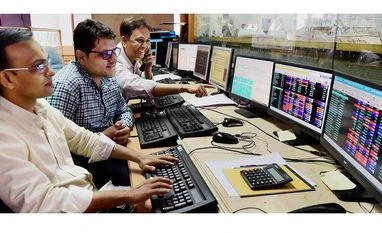 "Nifty50 hits 10,000: A look back at NSE's 25-year history")












 Connect with us on WhatsApp