Home / Markets / News / NSE sues Singapore bourse for offering offshore derivatives despite ban
NSE sues Singapore bourse for offering offshore derivatives despite ban
The Singapore bourse's stock tumbled on news of the lawsuit, falling the most since April 4
premium
The NSE is planning to replicate what is happening in China where several companies, which earlier eyed overseas listing, are now looking at the mainland.
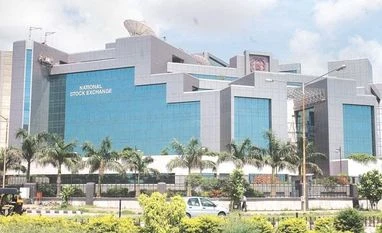
The National Stock Exchange of India Ltd. sued Singapore Exchange Ltd. in a Mumbai court, escalating a dispute that threatens to leave international investors without one of the world’s most widely-used offshore futures contracts.
NSE is trying to stop its Singapore counterpart from launching derivatives that could replace the Nifty 50 contracts that have traded in the city-state for 18 years and are used to hedge positions that foreigners take in one of Asia’s biggest equity markets. Indian exchanges ended agreements that allowed offshore derivatives in February, leaving SGX and others scrambling.
“SGX has been notified by NSE of an application made in the Bombay High Court for an interim injunction on our new products,” SGX said in a statement Tuesday. “We have full confidence in our legal position and will vigorously defend this action.”
The Singapore bourse’s stock tumbled on news of the lawsuit, falling the most since April 4.
Vikram Limaye, NSE chief executive officer, declined to comment on the matter when reached by phone Tuesday. His exchange’s move is another ratcheting up of tensions between bourses in India and Singapore amid efforts by the former to keep trading onshore.
China and Malaysia are among other emerging economies in the region that have taken steps to keep control of capital flows even as they push to further integrate into global markets. In India’s case, it’s been promoting a tax-free trading zone in Prime Minister Narendra Modi’s home state, known as Gift City, as an alternative to offshore centers.
“The principal objective is to prevent India’s turnover from being affected by overseas venues,” said Gopalan Sridhar, a Singapore-based fund manager at Aquarius Investment Advisors Pte. At the same time, “NSE is trying to increase access to international investors by increasing trading hours and allowing U.S. clients to trade.”
U.S. regulators last week approved allowing NSE members to accept American customer funds for trading in futures and options contracts on the Mumbai bourse.
Shock Move
In a surprise announcement in February, India’s national exchanges said they would end all licensing agreements with overseas bourses and also stop providing live prices. The international community responded with alarm and the move drew a rebuke from MSCI Inc., with the index compiler calling the move anti-competitive.
Singapore has become a hub of offshore trading for many markets, including China, Japan and Indonesia. In response to the February move, many analysts cut their ratings on SGX’s stock. The company’s shares fell as much as 2.4 percent in Tuesday trading.
SGX said last month it would launch India derivatives in June even as it continues to evaluate a venture with NSE in Gift City. In its Tuesday statement, the Singapore bourse said it’s essential to maintain liquidity in overseas markets to connect international participants to Gift City.
“The case may drag on for years but it is the short term decision which matters most,” Sandeep Parekh, founder at Finsec Law Advisors, said by phone. “SGX will be in a problem if court grants a stay; if they don’t grant it, then NSE will be in a bind -- it is highly likely that NSE will terminate all its partnerships with SGX, including the proposed Gift City venture.”
Read this article for free
Register to continue reading premium journalism and analysis from Business Standard.

 "NSE sues Singapore bourse for offering offshore derivatives despite ban")












 Connect with us on WhatsApp