NSEL case put on fast-track
Coordinated action likely, with FMC moving under FinMin jurisdiction
Rajesh Bhayani Mumbai More speed is expected in addressing the Rs 5,500-crore payment crisis at the FT-promoted National Spot Exchange Ltd (NSEL) with the Forward Markets Commission (FMC) being moved this week from the ministry of consumer affairs to the ministry of finance.
With most of the agencies investigating NSEL and related issues either reporting to or checking with the ministry of finance, “coordinated action will (now) be possible in the NSEL case”, said a regulatory source. The FMC is the regulator at present for FMC and finance ministry officials were saying they lacked authority to act against NSEL.
One reason for the NSEL crisis was a regulatory vacuum on spot exchanges. Futures exchanges come under FMC. NSEL wanted to allow one-day forward deals, which allow such exchanges to square off their positions intra-day but to ensure these not be considered futures, they and two other spot exchanges had received an exemption from the ministry of consumer affairs. Using that power, that ministry stopped all such deals on NSEL in July. When a crisis emerged at the exchange after it suspended trading, the ministry gave powers to FMC to solve the issue. Now, these powers get automatically vested with the finance ministry, said a regulatory source.
The enforcement directorate has already given a report on its findings. This report suggests members/borrowers of NSEL resorted to money laundering. The income tax department says money raised on NSEL wa deposited in the accounts of the borrowers. The Securities and Exchange Board of India and the Reserve Bank are also probing for systemic risk in the fallout. All these report to or coordinate with the finance ministry.
FMC had already warned the board of directors of NSEL that their ‘fit and proper’ status was under risk. It could pursue action on this front, which would have implications for the other regulators. The promoters of NSEL, the FT group, had also promoted the Multi Commodity Exchange (MCX), a commodity futures exchange; a stock exchange, MCX-SX; and a power bourse, Indian Energy Exchange. If found not fit to run NSEL, the other regulators will have to take cognizance. A decision will be taken after the two task forces set up on the issue by the finance ministry give their reports.
FMC had also issued a couple of notices to MCX. It said the exchange could not enter into any financial transaction without its permission, a precaution to stop MCX bailing out its promoters. The second one was in the case of an NSEL-promoted company and its clearing member, Indian Bullion Merchants Association, which had traded on MCX and this was seen by FMC as a violation of its norms. FMC is expected to take punitive action in this case.

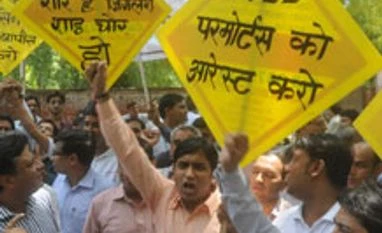 "NSEL case put on fast-track")


 Connect with us on WhatsApp