Progressive monsoon to push jeera sowing
Production may go up to 400,000 tonnes in 2015-16
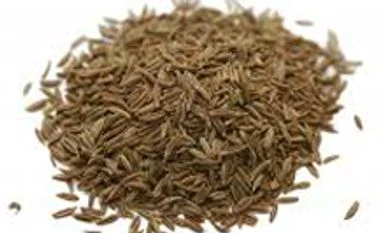
Vimukt Dave Ahmedabad A normal progressive monsoon has increased the possibility of better sowing and higher production of jeera (cumin) for the next season of 2015-16. According to jeera traders and exporters, good availability of water might increase sowing area in the next season, thereby pushing up jeera production if all goes well during growing period.
Sowing of jeera takes place during October-November, while harvest starts from March. Since jeera, which is sowed mostly in Gujarat and Rajasthan, is a rabi crop, monsoon plays a crucial role in the crop’s overall success. South-west monsoon has been near-normal so far with sowing of most of the kharif crops being higher than last year. “Farmers have received good prices for jeera and this may encourage them to sow more in the upcoming sowing season. Moreover, good rains have enhanced irrigation scenario which may further improve jeera acreage on an average by 20 per cent as against last year,” said Girish Brahmbhatt, managing director of Sterling Exports Inc.
Ample showers received in Rajasthan and Gujarat, the main jeera growing area, during June and July, might ensure good sowing of jeera. Moreover, normal rains during August and September, too, will influence sowing progress of jeera in non-irrigated fields.
“In the current scenario, a better picture of monsoon has emerged and we expect jeera production to be around 400,000 tonnes for 2015-16," said Bhaskar Shah, chairman, Indian Spice and Foodstuff Exporters' Association. Against this, jeera production stood at 250,000 tonnes for 2014-15, trade sources said.
According to Gujarat government data, till recently, jeera sowing acreage had declined 42 per cent to 264,000 hectares against 454,000 hectares last year. Similarly, in Rajasthan, the area declined by 10-15 per cent during this rabi season.
According to Angel Commodity report, uptrend in jeera prices in domestic market has been observed since November 2014 on account of lower and delayed sowing due to poor monsoon and lower price realisation by the farmers last year. In the current year, on expectation of lower output and export demand, spot and futures prices had touched all time high of Rs 18,538 a quintal and Rs 18,700 a quintal, respectively, in May.
After attaining highest levels, prices have been in downward trend now. Jeera prices have corrected by 14.4 per cent to Rs 15,862 a quintal in spot and by 21.6 per cent to Rs 14,660 a quintal in futures. Despite the fall, jeera prices have ruled at 39 per cent and 30 per cent levels higher in spot and futures markets, respectively, than what they were at the start of the jeera sowing season in November last year, the Angel Commodity report stated.
According to the Spices Board, India exported 155,500 tonnes of jeera in 2014-15, 28 per cent higher than last year's exports of 121,500 tonnes. India mainly exports jeera to Vietnam, the US, United Arab Emirates, Egypt, Nepal, Spain, Brazil and the UK. Jeera is the second largest spice exported from the country after chilli.

 "Progressive monsoon to push jeera sowing")


 Connect with us on WhatsApp