SBI stock basking in optimism; stakes too high to disappoint investors

Optimism on the stock is highest in 15 years; easing of corporate sector stress in Q3 gave the much-needed comfort
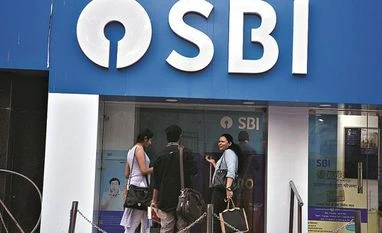
SBI
Hamsini Karthik
4 min read Last Updated : Feb 25 2020 | 2:16 AM IST
In an environment where investors aren’t preferring to own state-owned entities, including banks, the stock of State Bank of India stands out as a stark exception. Not only is it analysts’ most preferred public sector bank (PSB), but it is also turning out to be the most-owned PSB as well. In fact, with 51 out of 54 analysts polled on Bloomberg recommending ‘buy’ (or 94 per cent of analysts polled), bets on the bank is higher than what it enjoyed in 2005, when 92 per cent of analysts tracking the stock were positive on it. In other words, SBI stock is basking on optimism never seen before, which brings investors to the question of how sustainable is this optimism in the current environment.

Sentiments started turning in favour of India’s largest bank – State Bank of India (SBI) since the start of the current financial year. But, what cemented the faith was its December quarter (Q3) results, when its gross and net non-performing assets (NPA) ratio touched a low of 6.94 per cent and 2.65 per cent, respectively. Helped by write-back in provisioning, domestic net interest margin rose to 3.6 per cent in Q3, up 70 basis points (bps) year-on-year and at these levels, profitability turned to its best level since FY16. Likewise, while the headline loan growth numbers at 7.4 per cent may not appear too encouraging, its retail growth rate (led by home loans) at 17.5 per cent year-on-year in Q3 presents a convincing picture. Not just that, the share of retail loans to overall loans at nearly 60 per cent was also at an all-time high in Q3. While one could say that the quarter saw a generous helping from Essar Steel recoveries (Rs 12,000 crore), it still doesn’t take away the fact that SBI put up its best-in-recent times show in Q3.

On the flip side though, the biggest concern is that of emergence of fresh pain. Q3 numbers would have been much better if not for the Rs 16,500 crore of fresh pain (or slippages) recognised in the quarter on account of provisioning made towards Dewan Housing. Consequently, slippages ratio rose to 3.75 per cent in Q3 from 1.71 per cent in Q2. In March quarter, SBI expects corporate slippages to be curbed at Rs 1,200 crore while overall slippages aren’t expected to be more than Rs 5,000 – 6,000 crore, resulting in overall slippages of Rs 30,000 – 35,000 crore in FY20. The other unknown is its telecom sector exposure, particularly Rs 16,000 crore (0.7 per cent of total advances) lent to Vodafone Idea and according to analysts at JP Morgan, this is the key downside risk to their ‘buy’ recommendation on SBI stock.

Also, with the economic slowdown showing little signs of respite, given its size and exposure to most corporate accounts in the country, SBI remains vulnerable to trouble from unknown quarters. Analysts at Kotak Institutional Equities say that despite attractive valuations (0.6x FY21 estimated book) one of the key challenge for SBI stock’s re-rating has been an external variable that is beyond its control. “The cautious approach from investors is understandable and we hope to see this overhang addressed at the earliest,” they add.

Given that SBI is enjoying the maximum support from the Street, largely owning to its ability for having pared much of the stress, it is imperative that the lender remains committed to its slippages target. Any miss on that front could hamper sentiments.


Improving asset quality and profitability     
(%) Net Stressed Assets* Net NPA NIM 
Q1 FY19  5.42  5.29  3 
Q2 FY19 4.9   4.84 2.9
Q3 FY19  4.78    3.95 2.9
Q4 FY19  3.37 3.01  3  
Q1 FY20 4.59  3.07   3  
Q2 FY20   4.15     2.79 3.2 
Q3 FY20  3.38 2.65 3.6 

* Net stressed assets as percentage of total advances                                                     
NIM: net interest margin (domestic)                                                       
Source: Brokerage reports     
                     

One subscription. Two world-class reads.

Already subscribed? Log in

Subscribe to read the full story →
*Subscribe to Business Standard digital and get complimentary access to The New York Times

Smart Quarterly

₹900

3 Months

₹300/Month

SAVE 25%

Smart Essential

₹2,700

1 Year

₹225/Month

SAVE 46%
*Complimentary New York Times access for the 2nd year will be given after 12 months

Super Saver

₹3,900

2 Years

₹162/Month

Subscribe

Renews automatically, cancel anytime

Here’s what’s included in our digital subscription plans

Exclusive premium stories online

  • Over 30 premium stories daily, handpicked by our editors

Complimentary Access to The New York Times

  • News, Games, Cooking, Audio, Wirecutter & The Athletic

Business Standard Epaper

  • Digital replica of our daily newspaper — with options to read, save, and share

Curated Newsletters

  • Insights on markets, finance, politics, tech, and more delivered to your inbox

Market Analysis & Investment Insights

  • In-depth market analysis & insights with access to The Smart Investor

Archives

  • Repository of articles and publications dating back to 1997

Ad-free Reading

  • Uninterrupted reading experience with no advertisements

Seamless Access Across All Devices

  • Access Business Standard across devices — mobile, tablet, or PC, via web or app

Topics :sbiState Bank of IndiaBanking sectorInvestorspublic sector bankIndian banking sectorSBI stock

Next Story



