STREET FOOD: Justice delayed is windfall for some
It would not be out of place for Sebi to create a dedicated SC cell under its legal wing, too, to actively pursue cases in Delhi in a more organised manner and expedite matters
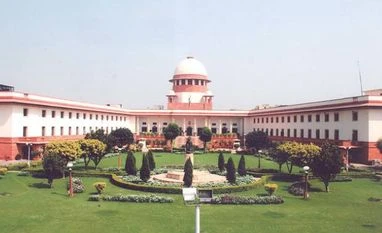
N Sundaresha Subramanian New Delhi Last week, the Supreme Court passed its judgment in a nine-year old case. The decision went in favour of the Securities and Exchange Board of India (Sebi). The apex court dismissed the appeal by one A R Dahiya, promoter of Polo Hotels, who had challenged a Sebi order of 2003, directing him to make an open offer for 20 per cent of shares at Rs 23.75 each.
The facts of the case are these. After acquiring Polo Hotels' promoter shares, Dahiya had made an open offer at Rs 8.75 each in 1999. Since this was below the face value, not many public shareholders tendered their holdings. However, it was subsequently revealed by a complainant that Dahiya had not disclosed a buy-back transaction in which he'd acquired Polo shares held by HSIDC at Rs 23.75. His contentions that these were not required to be disclosed have been rejected by Sebi, the Securities Appellate Tribunal (SAT) and now by the SC.
The said transactions date back to 1999. Sebi itself took four years to pass its order, in 2003. Another three years were spent by SAT, which also upheld the order. Thus, 16 years have passed.
One silver lining could be that the Sebi order also said interest at 15 per cent must be paid from the date of transaction in 1999 to actual payment. It further said the shareholders of 2.42 per cent, who'd tendered shares in the original offer at Rs 8.75, would also get the new price. Does the company have the addresses and other key details of these shareholders? Since these belonged to a time when the Know Your Customer norms were not stringent, tracing them and handing them the compensation would be a task in itself.
The interest for a 16-year period works out to Rs 57. Adding this, the total compensation could be around Rs 80 a share. It is not clear if the appellant would want to explore further legal options or take steps to announce an open offer at this price.
From the shareholding declaration of Polo in June, the promoters hold over a little over 75 per cent. Some 2,000-odd small shareholders hold 8.03 per cent and about 32 high net worth individuals hold another 14 per cent. It is very much possible that these shareholders are not the ones who held the shares 16 years ago. It is also possible that people close to the promoters could have accumulated these shares from the open market over these years, as the case dragged on. The lukewarm trading in Polo shares, trading in the red around Rs 12 on the BSE on Monday, showed the Street is probably yet to digest the news.
The timelines of some recent cases where apex court judgements were delivered show while the pendency in SAT was between one to three years, the wait in Delhi was about a decade. In the securities markets, where time is money, such long delays mean the people actually aggrieved never got the justice or compensation. Whereas some others, not very deserving, would reap unexpected benefits. For some, justice delayed is unjust windfall.
Last week, Business Standard reported the formation of a SAT cell by Sebi, to clear cases in a timely manner. It would not be out of place for Sebi to create a dedicated Supreme Court cell under its legal wing, too, to actively pursue cases in Delhi in a more organised manner and expedite matters, especially where the interests of a large number of investors are involved.

 "<b>STREET FOOD:</b> Justice delayed is windfall for some")

