A spike in the prices of onions around this time of the year has become almost an annual feature. Yet, little has been done to find a lasting solution to this menace. Ad hoc steps, such as blocking exports, incentivising imports, and capping the stocks allowed to be kept by traders, are routinely taken to soften the prices. These measures, being inherently pro-consumer and anti-producer, deter the farmers from raising onion production, thereby, perpetuating, rather than mitigating, price instability. The government has responded to the present onion crisis in almost a similar manner although the recent agri-marketing reforms virtually forbid such regressive moves. Though onion has been excluded from the list of essential items in the recently amended Essential Commodities Act, certain provisions of the same statute meant for exceptional use have been invoked to restrict onion stockholding by wholesalers and retailers. The ban on onion exports is also tantamount to denying the farmers their newly granted freedom to sell their produce to whoever and wherever they can get better prices. Worse still, to expedite onion imports, several vital fumigation and phytosanitary requirements have been set aside, risking the introduction of new pests and diseases.
All these are essentially trade-distorting measures that violate the spirit of the recent farm sector reforms. These moves are ill-timed as well. The imports, for instance, are likely to begin landing from mid-November onwards, when the fresh harvest also starts arriving in some states. The farmers would, therefore, be denied fair returns for their produce. These shipments, moreover, would continue in December, when the sowing of the main rabi onion crop begins. Low prices at that time would serve as a disincentive for farmers to expand onion plantings and invest in yield-enhancing inputs. This year, rabi sowing is likely to be adversely affected also by the acute scarcity and high prices of onion seeds in many states. The shortage is attributed to extensive rain damage to the seed crop in the last season. The genesis of the price volatility of this mass-consumed semi-perishable commodity lies, in fact, in the flawed management of available stocks. While onion production, despite three crops in a year, is seasonal in nature, its consumption is constant the year round. There is a long lean period, from July to mid-November, when no fresh produce is available. The market has to be fed by the stored onions. This makes the preservation of onions the key issue in ensuring steady supplies and, hence, price stability in onions.
Equally important is to boost production, especially that of the rabi crop, which matures in April-May and is relatively suitable for storage because of the low moisture content of the onion bulbs. However, the government’s restrictive policies inhibit such storage. Entrepreneurs are wary of investing in onion storage infrastructure for fear of being viewed as hoarders and harassed as is happening at present. Dehydration and processing of onions into value-added products like onion puree are the other means of prolonging the consumable life of onions to meet the lean-period demand. These activities, therefore, merit promotion. The prime need today is to have consistent and stable marketing and trade policies which can spur farmers to increase production and entrepreneurs to invest more in storage, dehydration, and processing of onions.
Read this article for free
Register to continue reading premium journalism and analysis from Business Standard.

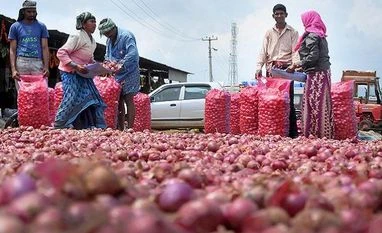 "Ad hoc steps must end")












 Connect with us on WhatsApp