An argument for a rate cut, but will Raghuram Rajan oblige?
A rate cut now will improve the precarious financial position of debt-laden companies, and will signal a transition towards a low cost of capital environment
Ishan Bakshi New Delhi There’s a strong argument to be made for an interest rate cut. Risks to growth far outweigh the threat of inflation at the present juncture. Some analysts have even gone so far as to say the RBI is behind the curve and should therefore slash policy rates. But will the governor – since he has the final say, for now – oblige?
Yes, inflation remains a concern. CPI inched up to 5.4% in June, largely driven by higher food prices. But risks on account of deficient monsoons have largely moderated. As CARE Ratings points out, “area under cultivation has increased to 693.83 lakh hectares vis-a-vis 550.42 lakh hectares last year indicating that the kharif output could be on target this year.” This should ease supply side pressures.
Coupled with the rather restrained hike in minimum support prices (MSPs), a firm control over the fiscal deficit and the collapse in oil prices – the threat of inflation seems rather benign.
The more pressing concern is kickstarting the investment cycle.
Let’s discount the new GDP series for a minute. All other economic indicators suggest that growth continues to remain insipid.
The index of industrial production (IIP) grew at 2.7% in May. Bank credit growth continues to be lacklustre. The corporate debt overhang continues to cast a shadow on their ability to launch fresh investments. Demand remains muted. As a result capacity utilization rates remain low. Projects continue to be in limbo.
The corporate profits season was disappointing to say the least. Profits were down in the fourth quarter of the previous financial year. Research notes from brokerage houses suggest more pain ahead. Exports also fell for the seventh consecutive month in June.
These numbers make for a sobering reading. They all indicate that investment activity continues to remains dormant. An economic revival is far from being broad based.
But the government seems confident, pointing to almost 8% growth under the new GDP series.
The optimism is misplaced. Yes, the new series shows India is one of the fastest growing economies in the world, on path to dwarf China. But under the veneer of the headline GDP number, the Gross Value Added (GVA) numbers paint a frightening picture. GVA fell from 8.4% in the second quarter of 2014-15 to 6.1% in fourth quarter.
This calls for desperate measures. To be sure, a 25 basis point cut will not put the economy on fire. But it could provide a big relief to stressed corporate balance sheets. A lower interest rate burden would greatly improve the precarious financial position of debt laden ccompanies. It will also signal a transition towards a low cost of capital environment. Further, if banks do pass on the repo cut, it could also boost consumption demand.

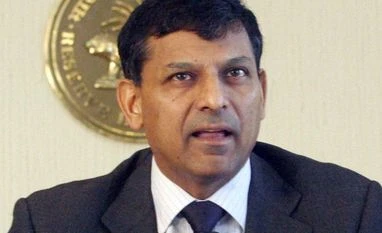 "An argument for a rate cut, but will Raghuram Rajan oblige?")


 Connect with us on WhatsApp