The new rules notified by the government for regulating the extraction of groundwater disallow industrial, mining, and large housing projects in areas where this natural resource is in a precarious state due to indiscriminate use. The existing units, too, would need to get fresh no-objection certificates and pay on the basis of the amount of water withdrawal rather than just a nominal lump sum amount. But, for no reasons other than the likely political gains, several categories of large users have been exempt from these regulations, thus putting a question mark on the outcome of this exercise. These users, including farmers, micro and small industries, and domestic consumers, together, consume nearly 95 per cent of the drawn groundwater, with agriculture alone accounting for 90 per cent of it.
The need for effective regulation of subsurface water cannot be disputed, given that over one-third (36 per cent) of the country’s groundwater assessment units are either over-exploited or in semi-critical or critical condition. Conventional wells in most of these areas have gone dry. Besides, there has been another reason as well for revisiting the groundwater extraction norms. The earlier guidelines, notified in 2018, were struck down by the National Green Tribunal in July. This quasi-judicial body had dismissed the Central Ground Water Authority’s plea that stringent curbs on groundwater use would adversely affect industrial production, employment opportunities, and the overall economy of some states. The consequential policy vacuum had frozen the fate of about 20,000 applications for setting up industrial and commercial projects. The future of thousands of existing companies in water-stressed zones had also become uncertain. Industry bodies have, therefore, been pressing the government to resolve this issue expeditiously.
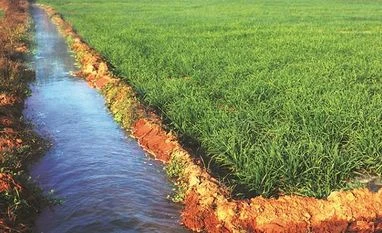
However, the new guidelines, even though relatively rigorous, disregard the basic fact that the objective of groundwater conservation cannot be fully served unless its unrestrained and wasteful use in agriculture is also controlled. The traditional irrigation practices, notably the flooding of fields, are most inefficient. As much as 60 to 70 per cent of the applied water goes waste. Populist policies of supplying free or heavily subsidised power to farmers and the reluctance of the state governments to charge for water are encouraging the extravagant use. The new groundwater notification does little to deter water wastage except counselling the states to review their policies concerning power supply and water pricing. The need for changing cropping patterns in water-deficit regions is mentioned but only in passing. Going by the past experience, it is safe to presume that these suggestions are unlikely to be heeded.
Of the several means tried out in the past to curtail water splurging in agriculture, the one that holds out promise is micro-irrigation through drip and sprinkler water delivery systems. Fortunately, the government seems to be aware of the benefits of this in terms of saving water and fertilisers, enhancing crop yield, and raising farmers’ income. That seems why it has set a lofty target of bringing 10 million hectares under this efficient mode of irrigation in the next five years and has also created a Rs 5,000-crore dedicated fund for this purpose. Achieving this goal, along with supplementary measures like water pricing and groundwater recharging through rainwater harvesting, is imperative to conserve this vital, but rapidly dwindling, natural resource.

 "Conserving groundwater")












 Connect with us on WhatsApp