RBI's multiple battles

It should not defend currency to contain inflation
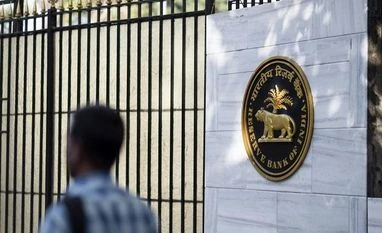
RBI
RBI ( Photo: Bloomberg)
Business Standard Editorial Comment
3 min read Last Updated : May 17 2022 | 11:11 PM IST
The next few quarters will be extremely challenging for the Reserve Bank of India (RBI). The consumer price index-based inflation rate for April surged to a 95-month high of 7.8 per cent. The rate based on the wholesale price index, meanwhile, spiked to over 15 per cent. Most economists expect the retail inflation rate to remain above the central bank’s tolerance band throughout the current fiscal year. The RBI’s Monetary Policy Committee, in an off-cycle meeting earlier this month, raised the policy repo rate by 40 basis points, which marked a significant shift in its outlook. The RBI also increased the cash reserve ratio by 50 basis points. Given the April inflation numbers, which show broad-based pressure, financial markets are expecting the rate-setting committee to further increase the repo rate by 50 basis points in the June meeting. The RBI will also be expected to remove excess liquidity at an accelerated pace.

Since the outbreak of the pandemic, the RBI was focusing on growth and facilitating higher government borrowing. Lower than the desired level of attention to inflation was largely driven by the belief that the pressure was transitory. Underestimating inflationary pressure in the central bank’s forecasts also played a part. But actual outcomes and changing circumstances have forced the central bank to shift the focus back on inflation management. While rate hikes are expected to continue, the June meeting will be keenly followed to see the revised inflation projections. It is now widely expected that the inflation rate will remain above the tolerance band for three consecutive quarters, which, according to the law, will be deemed as a failure to attain the inflation target.

Aside from handling inflationary pressure at a time when growth remains weak, the RBI will need to manage volatility in the currency market. The rupee declined to a new low on Tuesday and has depreciated over 4 per cent against the US dollar since the beginning of the year. There are a number of reasons why the pressure will continue in the near term. Higher global commodity prices are pushing up India’s trade deficit. Also, foreign portfolio investors are selling Indian assets. Further, increasing interest rates in the US is strengthening the dollar. The dollar index is at a near two-decade high. All such conditions are likely to persist in the foreseeable future. However, the RBI seems to be defending the currency fairly aggressively and has lost reserves worth over $37 billion since the beginning of the year.

Although it is correct that a weaker currency will add to the inflationary pressure, the RBI should not actively defend the rupee. It should only enter the market to quell excess volatility. Currency depreciation is an automatic stabiliser that will keep the current account in check. Since the current economic settings are expected to last for some time, not allowing the currency to adjust properly could lead to imbalances. Besides, a sharp depletion in reserves may increase vulnerabilities. In the coming months, therefore, the RBI will have to maintain a fine balance at different levels. Rates may have to be increased at a faster pace to make up for the lost time, which could affect output. The RBI will need to clearly communicate that it will focus on bringing the inflation rate closer to the target. The government, meanwhile, will need to accept higher borrowing costs.

One subscription. Two world-class reads.

Already subscribed? Log in

Subscribe to read the full story →
*Subscribe to Business Standard digital and get complimentary access to The New York Times

Smart Quarterly

₹900

3 Months

₹300/Month

SAVE 25%

Smart Essential

₹2,700

1 Year

₹225/Month

SAVE 46%
*Complimentary New York Times access for the 2nd year will be given after 12 months

Super Saver

₹3,900

2 Years

₹162/Month

Subscribe

Renews automatically, cancel anytime

Here’s what’s included in our digital subscription plans

Exclusive premium stories online

  • Over 30 premium stories daily, handpicked by our editors

Complimentary Access to The New York Times

  • News, Games, Cooking, Audio, Wirecutter & The Athletic

Business Standard Epaper

  • Digital replica of our daily newspaper — with options to read, save, and share

Curated Newsletters

  • Insights on markets, finance, politics, tech, and more delivered to your inbox

Market Analysis & Investment Insights

  • In-depth market analysis & insights with access to The Smart Investor

Archives

  • Repository of articles and publications dating back to 1997

Ad-free Reading

  • Uninterrupted reading experience with no advertisements

Seamless Access Across All Devices

  • Access Business Standard across devices — mobile, tablet, or PC, via web or app

Topics :Reserve Bank of IndiaInflationConsumer Price IndexIndian rupee

Next Story



