Telecom Bill: Innovation-unfriendly provisions must be revised

Exemptions in the draft Bill are too broad and need to be more narrowly defined
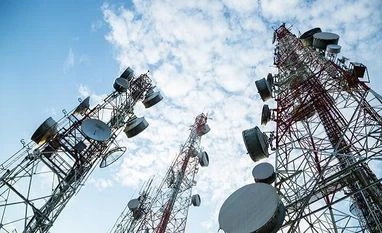
Telecom
Photo: Shutterstock
Business Standard Editorial Comment Mumbai
3 min read Last Updated : Sep 22 2022 | 10:45 PM IST
The India Telecommunications Bill of 2022, a draft of which was released by the Department of Telecommunications on Wednesday, is an ambitious attempt to consolidate three outdated and much-amended laws — the Indian Telegraph Act of 1885, the Wireless Telegraphy Act of 1933, and the Telegraph Wires (Unlawful Possession) Act of 1950. As should be clear, an attempt to rationalise the legal underpinnings of this most 21st-century of industries is long overdue. The government deserves full credit for taking on a task that had been postponed for too long to the detriment of the investor climate in this infrastructure-heavy sector. Putting to rest some past controversies in the sector, the Bill proposes clearly that the default mechanism for spectrum allocation in the sector will be through auction, and clearly specifies the limited administrative exceptions to this rule, which may eventually include the “backhaul” spectrum necessary for efficient 5G services.

However, there are some retrograde and innovation-unfriendly aspects to the current draft that are not in the national interest, and will need to be removed in the ongoing consultation period. For example, over-the-top apps that aid in communication are being brought within the ambit of communication services in the Bill. This is perhaps in response to sustained lobbying by some legacy telecom firms that have lost a considerable amount of voice revenue to other forms of communication. This is backward-looking. Data-based calling and communication have replaced old-style voice calling everywhere; firms should not seek to recover this lost revenue, and the Bill should definitely not seek to aid their attempts. Services such as WhatsApp, for example, can hardly be licensed the same way as old-style phone companies. Will that be extended to all messenger apps, even those embedded within other software? To Slack or Microsoft Teams or Zoom? Will all these be subject to the same phone-tapping security requirements, even when their basic structure clearly indicates that such interception will be impossible? It appears that the implications of this claim for the business climate and for transaction costs in India have not been thought through.

Other exemptions in the draft Bill are also too broad and need to be more narrowly defined if its purpose of providing a clear and stable policy environment is to be achieved. It is also unnecessary to dilute the powers and responsibilities of the Telecom Regulatory Authority of India, or Trai, in the final law. That would centralise all powers with the government and reduce the checks and balances in the system. The experience of the past two decades has shown that this is bad news not just for the sector but also for the bureaucrats and politicians left with administrative discretion. Besides, the provisions to give “subjective” powers to the government to waive fees, charges and penalties, all in the name of the consumer’s interest and fair competition, are puzzling. Except in carefully spelled out and exceptional circumstances, these should be avoided. It is expected that these oversights in drafting the Bill will be ironed out in the course of the consultation process, and the new law will place the sector on a firm footing that will vastly expand investment in this crucial infrastructure. If these problems are not removed, however, the new Bill may not achieve the desired improvement over the old laws.

One subscription. Two world-class reads.

Already subscribed? Log in

Subscribe to read the full story →
*Subscribe to Business Standard digital and get complimentary access to The New York Times

Smart Quarterly

₹900

3 Months

₹300/Month

SAVE 25%

Smart Essential

₹2,700

1 Year

₹225/Month

SAVE 46%
*Complimentary New York Times access for the 2nd year will be given after 12 months

Super Saver

₹3,900

2 Years

₹162/Month

Subscribe

Renews automatically, cancel anytime

Here’s what’s included in our digital subscription plans

Exclusive premium stories online

  • Over 30 premium stories daily, handpicked by our editors

Complimentary Access to The New York Times

  • News, Games, Cooking, Audio, Wirecutter & The Athletic

Business Standard Epaper

  • Digital replica of our daily newspaper — with options to read, save, and share

Curated Newsletters

  • Insights on markets, finance, politics, tech, and more delivered to your inbox

Market Analysis & Investment Insights

  • In-depth market analysis & insights with access to The Smart Investor

Archives

  • Repository of articles and publications dating back to 1997

Ad-free Reading

  • Uninterrupted reading experience with no advertisements

Seamless Access Across All Devices

  • Access Business Standard across devices — mobile, tablet, or PC, via web or app

Topics :Telecom industry5G networkBusiness Standard Editorial Comment

Next Story



