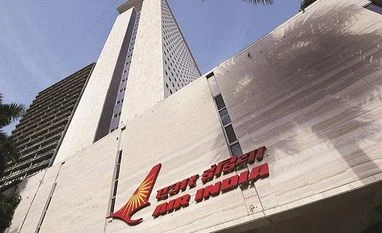
Funds with the National Small Savings Fund, or NSSF, will now be used to help the struggling state-owned airline, Air India. According to reports, an estimated Rs 10 billion is to be allocated to the airline, which hit the headlines recently because it failed to pay salaries and also missed payments to various creditors including oil companies, aircraft leasing agencies and mechanical contractors. It already has a debt of over Rs 500 billion and the government’s efforts to privatise it have come to nought, thanks to a badly structured offer. Should the pool of small savings be used to finance a struggling airline’s working capital? This appears an irresponsible use of funds. This is not tax revenue; the government is the custodian of this money, and it has the duty to ensure it is invested safely and wisely.
However, the government’s intention here seems clear: To keep various liabilities like funding an ailing airline off the Budget balance sheet and thus meet the fiscal deficit target. But by doing so the deficit target would be met in name only, as the government would still be spending more in excess of its revenue than it had targeted. And the effect on private sector borrowing would be largely the same as missing the fiscal deficit target, since additional crowding out would occur — whether because keeping small savings rates high would exert upward pressure on interest rates or because the NSSF would buy fewer regular government bonds. The government recently permitted the NSSF to start lending to central agencies such as the Food Corporation of India and the National Highways Authority of India in addition to Air India. For the current financial year, the NSSF plans to invest Rs1.3 trillion in these and other agencies — money that would otherwise have required budgetary support. In other words, instead of the government directly lending to these agencies, it will have the NSSF directly lend to them. The impact on the overall public sector balance sheet will in effect be the same — but the fiscal deficit will appear smaller.
When seen in conjunction with the attempt to force large public sector companies, including the oil PSUs, to buy back shares in order to transfer funds to the government, as well as the suggestion that the RBI reserves be tapped for government expenditure, it is clear the government is relying heavily on sources other than taxes to fund its spending. This is problematic for two reasons — first, it is often a less productive use of the funds in question and involves a violation of fiduciary duties. And second, using such off-balance sheet methods undermines the effort towards fiscal consolidation.

 "The wrong way")












 Connect with us on WhatsApp