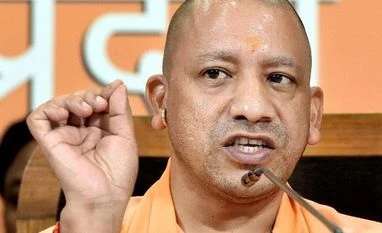
Uttar Pradesh Chief Minister Yogi Adityanath has set new precedents for maintaining law and order that stretch the bounds of the law. His popularly acclaimed strategy of “encounter killings” is one example of his chosen route of vigilante justice. The ordinance to set up a compensation claims tribunal for the recovery of property losses from those accused of rioting is the latest example of his unique extra-judicial interpretation of the law. The ordinance also represents a remarkable defiance of the judiciary. It was passed a day before the Allahabad High Court’s March 16 deadline for the district magistrate and the police to report to the court on the removal of the “name and shame” hoardings of 57 people accused of allegedly damaging property during riots to protest the Citizenship Amendment Act. None of these people had gone through the legal process to establish guilt, and, in a communally charged state such as UP, remain vulnerable to violence and worse. It is worth noting that the high court considered the state government’s actions serious enough to take suo motu cognisance of these hoardings and convene a special sitting on Sunday, March 8. A day later, the court ruled that the move amounted to an “unwarranted interference in privacy”. By putting up for public display the name, photographs and addresses of people who are yet to be found guilty in a court of law, the government’s actions violated the rights guaranteed to all Indians under Article 21 of the Constitution — that no person can be deprived of his life and personal liberty except according to a procedure established by law. The Adityanath government has appealed this ruling before the Supreme Court, which, has seen fit to refer the matter to a larger bench.
The ordinance offers a snub to the spirit of the high court’s judgment upholding the sanctity of Article 21. For instance, the ordinance provides that the court set up under it will be the sole institution for hearing the recovery cases; no other civil courts will hear these cases. No less significantly, the court under this ordinance can instruct the authorities to publish the names, photographs and addresses of people it has found guilty of destruction — in other words, provide legal cover for the same “name and shame” process that the high court had ruled illegal.
As with encounter killings, this ordinance sets a sinister precedent in a state that has scarcely been renowned for the smooth and honest functioning of its law and order machinery. To be sure, encounter killings have had a long and dishonourable history in India from the 1960s Naxalite movement onwards but it remains recognised as an extra-judicial method of law enforcement. Mr Adityanath has mainstreamed and normalised the technique in a manner that may well encourage other states to follow —recent “encounter killings” of rape accused in Hyderabad under the thin guise of “attempted escape” being one example. Naming and shaming could well enjoy similar emulative enthusiasm. If wilfully jettisoning the due process of law were added to problems with land acquisition, inflexible labour laws and other basics of doing business, India’s hopes of becoming a hub of global investment will be dim. Mr Adityanath’s version of justice urgently demands a robust legal challenge so that it does not become the template for India.

 "UP's misrule of law")












 Connect with us on WhatsApp