USTR, made in India

India needs an apex body for trade negotiations
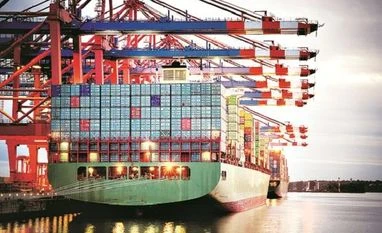
USTR, made in India
Business Standard Editorial Comment
3 min read Last Updated : Nov 15 2019 | 7:38 AM IST
India’s decision to stay away from the Regional Comprehensive Economic Partnership (RCEP), at least for now, has raised serious concerns among economists and policy analysts. While the talking heads of the government are calling it a bold decision, the fact is that Indian exports to RCEP countries will suffer because of higher tariffs. Protecting domestic businesses from competition and raising tariffs will not help. India tried this for decades with disastrous consequences before the start of liberalisation in the 1990s. It can be argued without any doubt that similar policies are unlikely to yield different results now. India is now looking for closer ties with the West, but neither the US nor the European Union will enter into any trade agreement solely on India’s terms. In any case, India’s decision to withdraw from the RCEP has reduced its bargaining power considerably. 

Therefore, the Indian policy establishment needs to work with an overarching view and not look at issues in isolation. In this context, the government would do well to pay attention to some of the suggestions made by experts in terms of reforming India’s trade and policy administration. Trade economist and former NITI Aayog vice-chairman Arvind Panagariya, for instance, in a recent interview to The Indian Express suggested the country needed a separate body such as the office of United States Trade Representative (USTR) for trade negotiations as part of the Prime Minister’s Office or the ministry of external affairs. It could be headed by a political person and manned by professionals. Mr Panagariya further noted that the commerce ministry, historically, has been very protectionist. So it is very difficult that any liberalising reform will end up originating in that ministry. This is a serious constraint for India and should be addressed. Besides, in the absence of trade barriers on its imports, India would have had an opportunity to integrate itself into regional and global value-chains, where its participation has been low. 

Similar suggestions have also been put forward by former economic advisor to commerce ministry Jayanta Roy. In an article published in this newspaper, he suggested creating an apex entity, which has a clear mandate from the prime minister to consult all stakeholders and develop the trade strategy. This will make sure all agencies, including the state government and line ministries, know what they are expected to do. All this will help streamline India’s trade strategy and allow the government to make interventions at appropriate levels. 

At a broader level, it is important to acknowledge that avoiding trade challenges is no longer an option for India because it directly affects investment, economic growth, and job creation. India should use trade opportunities to push reforms in the domestic market and increase competitiveness. Countries from where India’s imports have increased significantly in recent years, irrespective of a trade agreement, are competitive economies. Therefore, apart from reforming trade administration, India needs to improve competitiveness by pushing structural reforms and reorienting investments. The country will need export growth to attain higher sustainable economic growth and create jobs for its rising workforce. By staying away from the RCEP, India has lost an opportunity to grow its market by forcing domestic industry to compete with the best.

One subscription. Two world-class reads.

Already subscribed? Log in

Subscribe to read the full story →
*Subscribe to Business Standard digital and get complimentary access to The New York Times

Smart Quarterly

₹900

3 Months

₹300/Month

SAVE 25%

Smart Essential

₹2,700

1 Year

₹225/Month

SAVE 46%
*Complimentary New York Times access for the 2nd year will be given after 12 months

Super Saver

₹3,900

2 Years

₹162/Month

Subscribe

Renews automatically, cancel anytime

Here’s what’s included in our digital subscription plans

Exclusive premium stories online

  • Over 30 premium stories daily, handpicked by our editors

Complimentary Access to The New York Times

  • News, Games, Cooking, Audio, Wirecutter & The Athletic

Business Standard Epaper

  • Digital replica of our daily newspaper — with options to read, save, and share

Curated Newsletters

  • Insights on markets, finance, politics, tech, and more delivered to your inbox

Market Analysis & Investment Insights

  • In-depth market analysis & insights with access to The Smart Investor

Archives

  • Repository of articles and publications dating back to 1997

Ad-free Reading

  • Uninterrupted reading experience with no advertisements

Seamless Access Across All Devices

  • Access Business Standard across devices — mobile, tablet, or PC, via web or app

Topics :RCEPEuropean UnionTrade dealsUS trade deals

Next Story



