Will RBI's unexpected 'inaction' hurt credibility?
Rajan's move to hold rates signals a reactive approach, which could fuel inflationary expectations, hurt rupee
Malini Bhupta Mumbai After a sharp uptick in headline inflation for November, a rate hike was a given. But Reserve Bank Governor Raghuram Rajan decided not to react to the “noise” and to instead wait for more credible data. Rajan has only staved off the inevitable to a later date, thereby risking the central bank’s credibility, as the risks to the currency are not over and the trend in food prices does not indicate any softening. While there is nothing to suggest his stance has turned dovish, the market is concerned about the central bank’s inaction.
November might have seen an “unseasonal” spike in vegetable prices but there is no denying that the increase in food prices have averaged at 10.6 per cent annually over the last seven years and might not cool meaningfully soon. The message RBI has sent on Wednesday is it will act only when risks to the currency materialise, which would depend on the US’ decision to taper its stimulus programme. Dhananjay Sinha, head of institutional equities at Emkay Global, believes maintaining status quo amidst steep inflation rates is a dent to the credibility of the repeated hawkish articulation by RBI. Leif Eskesen of HSBC Global has a similar view and believes if RBI is perceived to be going too soft on inflation, it might pose risks on inflationary expectations and the exchange rate.
Economists are surprised because ever since he took charge as governor of RBI in September, Rajan has maintained the central bank’s primary role is monetary stability. Yet, he has called the spike in vegetable prices “noise”. Refusing to call Wednesday’s rate inaction a pause, Rajan says he intends to look at the longer term trend than react to monthly or weekly data points. But the longer term trend shows food prices have remained high for seven years (averaging at 10.6 per cent annually). His move is in contrast to the earlier stance and that is worrisome.
If the headline inflation print remains elevated, a rate hike in January is inevitable. But the market believes a reversal in policy rates has been long overdue.
Given the inflation trajectory in recent times, most economists have been factoring in a rate hike, which would now happen in all likelihood next month. Ritika Mankar Mukherjee of Ambit Capital says, “We reiterate our expectation of repo rate increases of 25-50 bps being administered over the rest of FY14.”
For Rajan’s inaction to continue in future, inflation would need to fall by 50-100 basis points in December and the US Fed to defer its tapering even further.

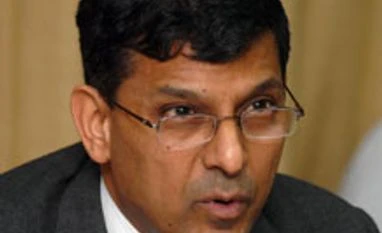 "Will RBI's unexpected 'inaction' hurt credibility?")


 Connect with us on WhatsApp