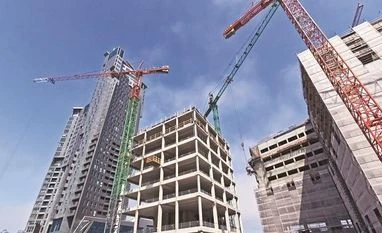
News reports suggest many listed real estate developers have increased the prices in their housing projects by up to 10 per cent. Many others may follow suit in the near future.
Rising input costs
The primary driver for these hikes is increase in input costs. “Prices of steel, cement, sand, and labour have risen in the past few months,” says Subhankar Mitra, managing director – advisory services, Colliers India.
Prices have been static or have increased in low single digits over the past several years. Meanwhile, costs (including compliance costs) of developers have kept increasing, eroding their margins. In the past, developers were reluctant to raise prices for fear of hurting demand.
“Developers absorbed the additional costs for as long as they could because they wanted to foster demand,” says Anuj Puri, chairman, Anarock Group. But the price spurt since the outbreak of the Ukraine war has compounded their difficulties. Sales have exceeded launches in many parts of the country in the past few quarters.
“Ignore the inventory caught in litigation. The inventory that is moving, especially from quality developers, has gone down significantly in many micro markets,” says Vikas Wadhawan, group chief financial officer, Housing.com, Makaan.com, and PropTiger.com.
This altered demand-supply situation has given developers the confidence to hike prices.
End-users, according to Puri, should not try to time the market. A price hike of 5-10 per cent shouldn’t deter them from buying an asset they will use for many years.
Counter the price increase by negotiating.
“If you’re certain that a project interests you, arrive at the table with your cheque book and offer to make a down-payment right away,” says Puri. Developers tend to offer concessions to serious buyers.
Large developers are witnessing good demand and may not yield much on pricing. However, according to Wadhawan, many will be willing to offer add-ons, like air conditioners, modular kitchens, and so on.
Study the market.
“Try to capitalise on the fact that not every developer has increased its prices yet,” says Mitra.
The stage of the project matters.
“One that is nearing completion is less likely to be hit by cost escalation, compared to one in early stage,” adds Mitra.
The price increase cycle has only begun, so prices are still attractive. Many other factors are tilted in buyers’ favour.
“Home loan rates are at their lowest in a decade. In some states and cities, stamp duty or circle rates have been reduced,” says Wadhawan.
Sitting on the fence could prove costly.
“When a positive cycle begins, waiting can be counterproductive since prices keep rising, as we saw between 2002-2006 and 2008-2013,” says Wadhawan.
Focus on quality
For investors, too, this appears to be a good time to enter the market. Prices have been static or have risen at a low rate for the past four-five years.
“From all indications, it appears there is going to be a cyclical upturn that could last for several years,” says Wadhawan.
Study demand patterns carefully.
“Smaller homes are no longer in vogue, and neither are the more expensive central locations,” says Puri. “Ensure that the property you buy is future-proof in terms of location, construction quality, amenities, and facilities,” adds Puri.
Decide whether you are investing for rental income or for capital appreciation.
“Those buying for rental income must buy a house in an established area, where work opportunities exist and social infrastructure is developed,” says Wadhawan.
Those looking for capital appreciation may invest in a fast-growing suburb, on a large city’s periphery, or even in a tier II or III town. Capital appreciation, according to Wadhawan, will also depend on your choice of developer — whether it does quality construction and delivers on time.