Construction delays are common in India and buyers keep it in mind while buying a house. But, sometimes, possession gets delayed even beyond the expected tenure.
In 2011, when Babubhai, a government employee, booked a house in the Mumbai suburbs, he was promised delivery by 2014. Three years later, while the price of the flat had risen from Rs 42 lakh to Rs 57 lakh, the builder had barely started the foundation of the tower. When Babubhai raised concerns, the builder asked him to take back the advance. He held on because of the appreciation in prices.
Most buyers are forced to back off in the face of delays because of the appreciation of the property. While many have to cut corners because there is an equated monthly installment (EMI), the worst hit is on tax benefits.
For example, when the actual EMI begins, things can get really messy. For a Rs 50 lakh loan at 9.7 per cent interest for a 20-year tenure, the EMI works out to be Rs 47,262. If the person pays Rs 15,000-20,000 monthly rent, it will get difficult to absorb the financial impact.
Those with home loans also face the risk of losing the tax deduction benefit. Regulations allow borrowers to claim deductions on the principal (up to Rs 1.5 lakh under Section 80C), as well as the interest component up to Rs 2 lakh for house property that is self-occupied. However, the latter can be availed only if possession happens within three years from the end of the financial year in which the loan is taken. In case of delay, the borrower can only claim Rs 30,000 deduction on the interest portion of the loan. Also, when the house is under construction, the interest deduction can be claimed only after completion of the house in five equal installments starting with the year of completion. This means, while the EMI burden falls on the shoulder on the borrower, he is also saddled with higher tax outgo.
If the lender is disbursing loan in installments to the builder, based on the percentage of project completion, the provisions differ. For this partial payment, borrower can claim the Rs 2 lakh interest deduction.
However, if one is buying a house to earn a rent from it, he or she can claim the entire interest as deduction. Those who have bought real estate for investment and intend to rent it out can breathe easy.
The only recourse for people in such a situation is either try and absorb the financial impact or sell the house while it’s still under construction. “In cities like Delhi, this can be done to recover the money. But in markers such as Mumbai, most customers would end up making a loss,” says Mudassir Zaidi, national director - residential agency, Knight Frank India. In certain markets such as Mumbai, the developers have an exit clause, and they also force buyers to go for a refund of the initial money rather than for a sale.
Anil Sachidanand, managing director and CEO of Aspire Home Finance Corporation, says such conditions are included in the agreement and buyers have little say in it. “Developers make the contract in such a way that adequately protect them from all legal hassles that might arrive in the future due to delays.” says Sachidanand.

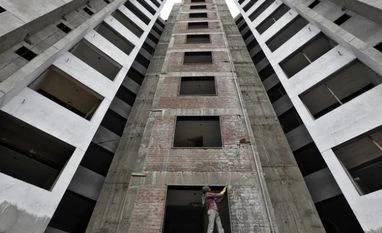 "Housing construction delays can cost you tax deductions")


 Connect with us on WhatsApp