With a strike rate of more than 60 per cent in the Bihar Assembly polls, the results have infused hope into the Left, especially in the West Bengal camp ahead of the 2021 state election. Dipankar Bhattacharya, general secretary of the Communist Party of India (Marxist-Leninist), or CPI (ML), in an interview with Arindam Roy, talks about the recent Bihar election, the Left’s strategy in West Bengal, and its future. Edited excerpts:
Did you expect to win 12 of the 19 seats which the CPI (ML) contested? What changed for the Left in Bihar?
We expected to win 15 seats and we came very close. We have lost one seat by 462 votes and we have demanded CCTV footage of the counting. In another seat, the margin of loss was only around 3,000. The election in Bihar became a veritable people’s movement with the youth and migrant workers at the forefront. The lockdown experience added fuel to the fire. It made people realise the hollowness of the rhetoric of “double engine government” and appreciate the role of the CPI(ML) and other Left forces. People found themselves abandoned and humiliated by the very government they had voted to power and it made them determined to vote for the Opposition alliance.
Why couldn’t the Mahagatbandhan win the election? Where did you fall short?
The formation of the alliance happened very late in the day and yet it succeeded in creating such a powerful wave, nearly dethroning the NDA government. It marked a sea change, a major turnaround from the 2019 Lok Sabha election when the NDA had swept Bihar. If the alliance had formed a little earlier and the seat-sharing done on a more realistic basis with more seats for the CPI (ML) and the Left, the outcome would have been different. We won 7 of the 8 seats we contested in the first phase despite vicious slander campaign against us by the BJP. Ten more seats for the ML in our strongholds of south Bihar and the election could have been sealed in favour of the Mahagathbandhan in the first phase itself.
Do you think Narendra Modi’s popularity is still intact in the state and by extension in the country?
Let us not forget that the pre-Modi BJP had won 90-plus seats in Bihar in 2010. The JD(U) had then won as many as 115 seats. After ten more years of the Nitish Kumar government in Bihar and more than six years of the Modi rule at the Centre, the NDA is down by more than 80 seats. The BJP’s success lies in the fact that it managed to inflict a disproportionate blow to Nitish Kumar who lost seventy of those seats, while the BJP limited its own damage to only about 15 seats. But it is very clear that Modi’s popularity has been dented big time and his rhetoric no longer has the mesmerising effect on people.
The BJP received a vote share of 40 per cent in the 2019 election. The state is getting increasingly polarised between the BJP and the TMC. How will the Left create its own space?
The contexts of the Lok Sabha and the Assembly elections are different. Modi’s second term is turning out to be an unmitigated disaster for the country. Workers, young job-seekers, and common people are facing the brunt of privatisation and the economic disaster resulting in massive job losses, wage cuts, soaring prices, and economic insecurity. BJP votes can diminish drastically in this situation.
Compare BJP votes in 2019 Lok Sabha in Jharkhand and Bihar with the Assembly election votes, and we get a clear idea of how the BJP vote share can go down in West Bengal, too.
The Left movement has a powerful legacy in West Bengal, the response to the November 26 strike and farmers’ protests shows us the tremendous potential that is again growing for the Left. The point is to stay on this course and not let the BJP vitiate the environment, derail the discourse and hijack the anger of the people, and channelise it to suit its divisive agenda.
Many say the BJP’s rise seems to have happened at the cost of the Left. When you say the BJP is the bigger threat, don’t you think you will push these voters further away?

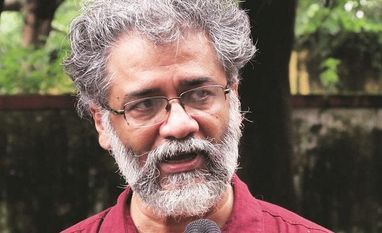 "Left can't grow by harping on TMC anti-incumbency: CPI (ML) Gen Secretary")











