1500-2000 tons of potatoes exported to Pak every day: Exporters
They pointed out that the crop in Pakistan had got damaged because of frost in winter season which caused massive shortage in its availability for consumption
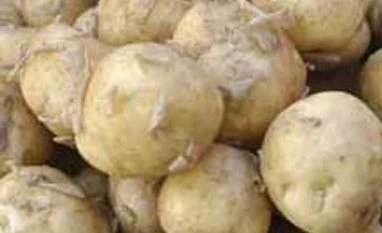
Press Trust of India Chandigarh Amid spiraling prices of potato in several parts of country, as much as 1,500 to 2,000 tonnes of potatoes are being exported to Pakistan per day through Attari-Wagah land route in the wake of scarcity of the main vegetable crop in the neighbouring nation, say exporters.
"Exporters are sending as many as 70-80 truck loads of potatoes (carrying 1,500-2,000 tonnes) per day to Pakistan as there is a huge demand for this crop in the neighbouring country," Amritsar-based vegetable exporter Anil Mehra told PTI today.
"This year, there is a huge shortage of potato crop in Pakistan which prompted Pakistani government to allow duty free import of potatoes from India," Mehra said.
Exporters pointed out that the potato crop in Pakistan had got damaged because of frost in winter season which caused massive shortage in its availability for consumption.
Mehra said Pakistani government had allowed duty free import of potatoes till July this year from India.
Notably, the exports order for Indian potatoes from Pakistan came after a gap of more than one year.
Exporters are sourcing potatoes from several markets in Punjab and Haryana in order to meet the requirement of export demand.
Potato price in Punjab and Chandigarh is ruling at Rs 25- 30 per kg in retail market.
Despite Centre slapping a minimum export price (MEP) of $450 per tonne on potatoes to boost its availability and rein in prices, there has been no impact on potato export to Pakistan.
"There is no impact of MEP (on potatoes) on its export to the neighbouring country. Demand continues to remain strong from Pakistan," said another exporter.
Meanwhile, potato growers in Punjab had criticised the Centre's decision of imposing stock holding limit on potato crop, saying it can have an adverse impact on upcoming potato crop.
"If you put restriction on keeping potato crop by imposing stock holding limit, it is going to have an adverse impact on potato output. Stock holding limit will hit the availability of potato seeds which are required by potato growing states for sowing potato crop in winter season.
"It will lead to another crisis," Jalandhar-based Confederation of Potato Seed Farmers (POSCON) President Sukhjeet Bhatti said.
The Centre yesterday brought potatoes and onion under the purview of Essential Commodities Act and imposed stock holding limits on these crops.
Punjab is a major producer of potato seeds and it supplies seeds to several states, including Karnakata, Madhya Pradesh, West Bengal, etc.

 "1500-2000 tons of potatoes exported to Pak every day: Exporters")


