Afghan capital locked down for large demonstration
Ethnic Hazaras marched on Saturday through the city demanding a planned power line be rerouted through their province
APPTI Kabul Main roads across the Afghan capital Kabul have been blocked by the authorities as thousands of ethnic Hazaras marched on Saturday through the city demanding a planned power line be rerouted through their poverty-stricken province.
Police moved trucks and containers into the city overnight on Friday to block roads and prevent marchers reaching the city center or the presidential palace. Shops and other businesses were forced to close and movement around the city of 4.5 million people was severely restricted.
It was the second march held by members of the Hazara minority against the current route of a multi-million-dollar regional electricity line. The last one in May attracted tens of thousands of people, also shutting down the central business district.
On saturday, the marchers in vastly lower numbers than in May walked and rode bicycles along their route from the largely Hazara neighbourhoods of the city's west.
They chanted slogans against President Ashraf Ghani and Chief Executive Abdullah Abdullah, shouted "death to discrimination" and "all Afghans are equal."
The so-called TUTAP line is backed by the Asian Development Bank with involvement of Turkmenistan, Uzbekistan, Tajikistan, Afghanistan and Pakistan. The original plan routed the line through Bamiyan province, in the central highlands, where most of the country's Hazaras live.
That route was changed in 2013 by the previous Afghan government. Leaders of the marches have said that the rerouting was evidence of bias against the Hazara community, which accounts for up to 15 per cent of Afghanistan estimated 30 million-strong population.
They are considered the poorest of the country's ethnic groups, and often complain of discrimination. Bamiyan is poverty stricken, though it is largely peaceful and has potential as a tourist destination.
Afghanistan is desperately short of power, with less than 40 per cent of the population connected to the national grid, according to the World Bank. Almost 75 per cent of electricity is imported.
One source involved in the funding and routing of the pipeline, speaking on condition of anonymity as he was not authorised to speak publicly on the issue, said the decision to change the TUTAP line's route was based on cost considerations.

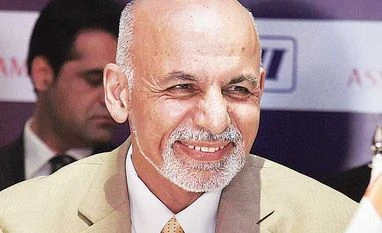 "Afghan capital locked down for large demonstration")


 Connect with us on WhatsApp