Airlift extends lifeline to Philippine typhoon survivors
The USS George Washington has galvanised the huge international relief effort in the central Philippines, since its arrival in the region on Thursday
AFPPTI Homonhon (Philippines) Helicopters dropped emergency supplies to desperate villagers as a growing global relief effort following the Philippines typhoon pushed beyond devastated towns and cities today towards remote island and mountain communities.
On the tiny island of Homonhon, which suffered a direct hit from Super Typhoon Haiyan, residents of what was left of their shattered village waited patiently as US troops unloaded water supplies from a helicopter that flew in off the USS George Washington aircraft carrier.
The approach to the village offered an aerial view of the destruction visited on the island, where thick coconut groves had been torn up and flattened.
The helicopter stayed just 10 minutes before flying off with promises to return with rice supplies.
The USS George Washington has galvanised the huge international relief effort in the central Philippines, since its arrival in the region on Thursday.
Its main task has been airlifting large-volume supplies to inland airstrips and then ferrying them piecemeal by helicopter to more remote areas.
In many villages, there is no space to land, and the helicopters are forced to hover low and drop the cartons to residents straining to remain standing against the downdraft from the rotor blades.
Television footage has shown residents of one isolated settlement jostling each other as supplies were pushed from the chopper, setting off a frenzied scramble as villagers tore apart the packing and scurried away with the contents.
Ten days after the super storm hit the central islands of Leyte and Samar with some of the strongest winds ever recorded, aid agencies and humanitarian groups have firmly established operational posts in the flattened region's largest city Tacloban.
There is still no regular power in Tacloban, where the typhoon triggered a powerful, tsunami-like storm surge that left thousands dead and tens of thousands homeless.
But aid distribution centres have been set up, ensuring a steady flow of food and water supplies to still-traumatised residents, while mobile surgical units are providing emergency care for the sick and injured.
Some petrol stations are open and enterprising individuals were selling fuel in Coke bottles by the side of the roads that have been largely cleared of debris, as cars and motorbikes made a tentative return to the streets.
Fresh fruit is available for a price, with makeshift stalls selling satsumas, apples and bananas.

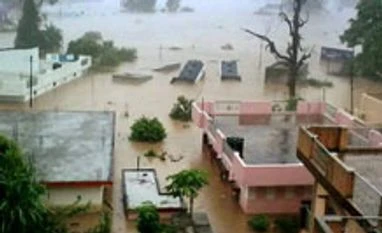 "Airlift extends lifeline to Philippine typhoon survivors")

