Pakistan's former military ruler Pervez Musharraf has for the first time blamed the country's senior civilian and military leadership for his decision to impose emergency in 2007 by saying they have been consulted before taking the decision.
Musharraf, 72, is facing treason charges under a case launched in 2013 for suspending the Constitution by declaring emergency on November 3, 2007.
In a statement recorded before the joint investigation team of the Federal Investigation Agency (FIA), the former president described ex-army chief General Parvez Kayani as the principal offender in the case.
He said Kayani, who became the chief of army staff on November 27, 2007, did not revoke the emergency.
"By not revoking the same, General Kayani is also a principal offender," he alleged.
The former military ruler insisted that in addition to Kayani he had consulted the senior military and civilian leadership, including the then prime minister Shaukat Aziz, before imposing the emergency.
He said since he acted upon the advice of the then Prime Minister and his cabinet in imposing the emergency, he was not responsible.
Musharraf said the summary moved by Aziz for emergency had "mysteriously" been removed from the official record by some "quarters concerned".
Dawn reported that it is the first time that Musharraf has directly dragged retired Gen Kayani and the senior civilian and military hierarchy into the high treason case.
General Kayani retired in 2013 after being chief of army for six years and he has not responded so far to the allegations by Musharraf.
It is believed that Musharraf was not happy with Kayani, who was his handpicked army chief, for not playing active role to save him from humiliation when he was arrested and involved in several cases on his return from abroad in 2013 to contest the elections.
Former Prime Minister Aziz who was also the personal choice of Musharraf left the country on end of his term in 2007 and he never returned.
Under the 1973 constitution, abrogation of the constitution will be an act of high treason, liable to death under Pakistan's treason laws.
The military lives in Karachi as he cannot leave the country under a court order.

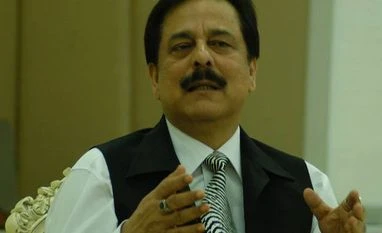 "Consulted Kayani, Aziz before declaring emergency: Pervez Musharraf")


 Connect with us on WhatsApp