Do we bar everyone from airports to stop hijack, quips Aviation Minister
Ashok Gajapathi Raju said what was relevant for security at one point, may become irrelevant later
Press Trust of India New Delhi In a dig at the CISF's insistence on stamping hand baggage for security, Aviation Minister Ashok Gajapathi Raju has quipped that the best way to check hijack is to bar everyone from entering the airport.
Stressing on the need to move with the times on security measures and keep them "non-obtrusive and meaningful", he said the best security would be not allowing anyone to come to airports as that would ensure "there will never be a hijack but there won't be any civil aviation activity either."
Raju said the "CISF is a police force" and it is the BCAS (Bureau of Civil Aviation Security) that sets aviation security standards that everybody ultimately has to follow.
Talking to select media after an event yesterday, Raju said "an impractical security thing" can be another problem.
He quickly added however that the CISF, which is responsible for security at major airports, would also voice their experiences and it is "better to be safe than to be sorry".
The BCAS, which comes under the Civil Aviation Ministry, had issued a circular on February 23 to immediately do away with the practice of putting security stamp on the hand baggage tags at seven major airports in the country.
However, the decision had to be deferred following security concerns raised by the CISF (Central Industrial Security Force).
In the first official comments from the Ministry on this issue, Raju said everybody has to follow BCAS when it comes to aviation security standards.
"One is that security things are fixed by BCAS and everybody implements them. BCAS sets the standards. There will be people who think this is needed and there will be people who think it won't be needed but ultimately everybody has to follow BCAS," the Civil Aviation Minister said here.
He said, "Safety and security cannot be compromised but security should be non-obtrusive and meaningful. Otherwise, commercial activity will not happen. This is what it is."
The decision to stay the BCAS order related to stamping of hand baggage was taken on March 2 during a high-level meeting between Civil Aviation and Home Ministries.
Noting that civil aviation works on a very different footing, Raju said what was relevant for security at one point of time might become irrelevant on another occasion.
"Security world over is a mix between manpower and technology... What was thought of not as threat at some point of time becomes a threat at some point of time," he added.
In a lighter vein, he said, "The best kind of security is not to allow anyone to come to airports. There will never be a hijack but there won't be any civil aviation activity either. They have to find a balance.

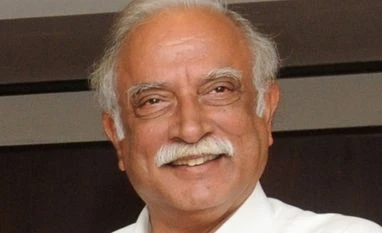 "Do we bar everyone from airports to stop hijack, quips Aviation Minister")

