British engine maker Rolls-Royce slumped into a record 4-billion pounds annual net loss in 2016, ravaged by a Brexit-fuelled collapse in the pound and a corruption fine.
The loss after tax, equivalent to $5.0 billion or 4.8 billion euros, contrasted with a slender profit of 84 million pounds in the 2015, the company said in a results statement.
Rolls took a vast 4.4-billion pounds hit from the drop in the value of the pound in the wake of Britain's shock EU exit referendum, alongside a 671-million pounds penalty to settle bribery allegations.
The London-listed company, whose engines are used in Airbus and Boeing aircraft, added that underlying pre-tax profits almost halved to 813 million pounds.
Rolls-Royce, which also makes power systems for use on land and at sea, stated it was on track with efforts to slash costs and expected a "modest" performance improvement in 2017.
"2016 has been an important year as we accelerated the transformation of Rolls-Royce," said chief executive Warren East, who has overseen a radical restructuring.
"We have made operational progress and performed ahead of our expectations for the year as a whole.
"At the same time, we have delivered major changes to our management and processes and, while we have made good progress in our cost cutting and efficiency programmes, more needs to be done to ensure we drive sustainable margin improvements within the business."
The huge annual loss also follows a tough past few years for Rolls, which faced a string of profit warnings on the back of weak demand in its aerospace and marine markets.
The company was fined 671 million pounds in January to settle bribery and corruption claims probed by Britain's Serious Fraud Office and authorities in Brazil and the United States.
Rolls will pay the penalty over five years but has taken the full cost as an impairment charge against its 2016 profits.
The pound has meanwhile fallen by almost a fifth against the dollar since the Brexit referendum that was held last June.
The slide is pushing up the costs of imported goods, sending British annual inflation to the highest levels in 2.5 years.
Official data Tuesday showed 12-month consumer price inflation rising to 1.8 per cent in January -- the highest level since June 2014.
"Surging inflation, in particularly food and fuel prices, are eating into disposable incomes and in turn that is starting to hit spending," said ING bank economist James Smith.

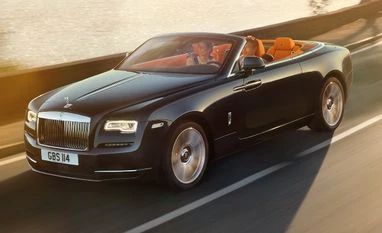 "Engine maker Rolls-Royce logs record 4 billion pounds loss")


 Connect with us on WhatsApp