FinMin not in favour of tax sops for CSR in backward regions
Ministry has observed that allowing deduction for CSR expenditure will imply the govt will be contributing one third of this expenditure as revenue foregone
Press Trust of India New Delhi The Finance Ministry is not in favour of giving tax benefits to businesses for their social welfare spendings in backward regions contrary to the recommendation made by a parliamentary panel.
In the new revised draft Direct Taxes Code (DTC) bill, the Finance Ministry has observed that allowing deduction for CSR expenditure would imply the government would be contributing one third of this expenditure as revenue foregone.
The Ministry's proposal comes at a time when the new companies law, effective from April 1, require entities with sizeable business to shell out at least two per cent of their three-year average annual net profit towards Corporate Social Responsibility (CSR) activities.
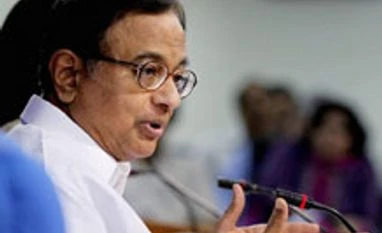
Finance Minister P Chidambaram, in his interim Budget speech, had appealed to all political parties "to resolve to pass" the DTC along with GST in 2014-15.
Industry has been seeking tax benefits for CSR activities as a kind of incentive to carry out such works. In this regard, a proposal from the Corporate Affairs Ministry is pending with the Finance Ministry, sources said.
The Finance Ministry while unveiling the draft DTC bill last week said that CSR spend in backward regions cannot be given tax exemption.
The Parliamentary Standing Committee on Finance, headed by BJP leader Yashwant Sinha, in its report on DTC bill had recommended tax benefit for CSR expenditure in backward regions and districts.
"The CSR expenditure cannot be allowed as a business deduction as it is an application of income. Allowing deduction for CSR expenditure would imply that the government would be contributing one third of this expenditure as revenue foregone," the draft DTC bill said.
According to sources, the final decision on providing some kind of tax benefits for CSR activities under the new companies law would be taken by the next Finance Minister.
Under the Companies Act, 2013, firms having a net worth of at least Rs 500 crore or a minimum turnover of Rs 1,000 crore or a net profit of Rs 5 crore are required to make CSR spend.
Going by the rules, notified by the Corporate Affairs Ministry, many activities come under the CSR ambit.
These include livelihood enhancement and rural development projects, working towards protection of national heritage, art and culture, including restoration of buildings and sites of historical importance and works of art, setting up public libraries, promotion and development of traditional arts and handicrafts would be considered CSR.
Various activities aimed at reducing inequalities faced by socially and economically backward groups have been included.

 "FinMin not in favour of tax sops for CSR in backward regions")


